Part-Time Food Packing: Duties, Skills, and Job Opportunities
Behind every neatly sealed salad bowl, labeled spice pouch, or boxed bakery tray is a chain of careful human effort, and part-time food packers are an essential link in that process. These roles matter because food businesses rely on dependable workers who can maintain hygiene rules, meet production targets, and keep orders accurate during busy shifts. For students, parents, and anyone seeking flexible hours, the job can offer steady entry-level work with practical skills that transfer to warehousing, retail, and manufacturing.
Outline:
• What part-time food packing work includes and where it happens
• Daily duties, tools, and the rhythm of a typical shift
• Skills, training, and safety rules that matter on the job
• Pay, schedules, advantages, and common trade-offs
• How to find openings, apply well, and decide whether the role fits your goals
What Part-Time Food Packing Work Really Involves
Part-time food packing is a hands-on job centered on preparing food products for storage, shipment, or sale. That may sound straightforward, yet the work sits at the meeting point of food safety, production efficiency, and customer expectations. A packer might place muffins into trays, seal ready-made meals, sort fruit into containers, label frozen items, or assemble meal-kit ingredients into clearly marked portions. The exact task changes from one employer to another, but the purpose remains the same: present food in a clean, consistent, and transport-ready form.
These jobs appear in more places than many people expect. They are not limited to large industrial plants. Small bakeries, local produce distributors, butcher shops, snack manufacturers, catering companies, and grocery fulfillment centers all need packing staff at different times of the day. Common settings include:
• food processing facilities
• refrigerated warehouses
• bakery production rooms
• supermarket backrooms
• meal-prep and delivery operations
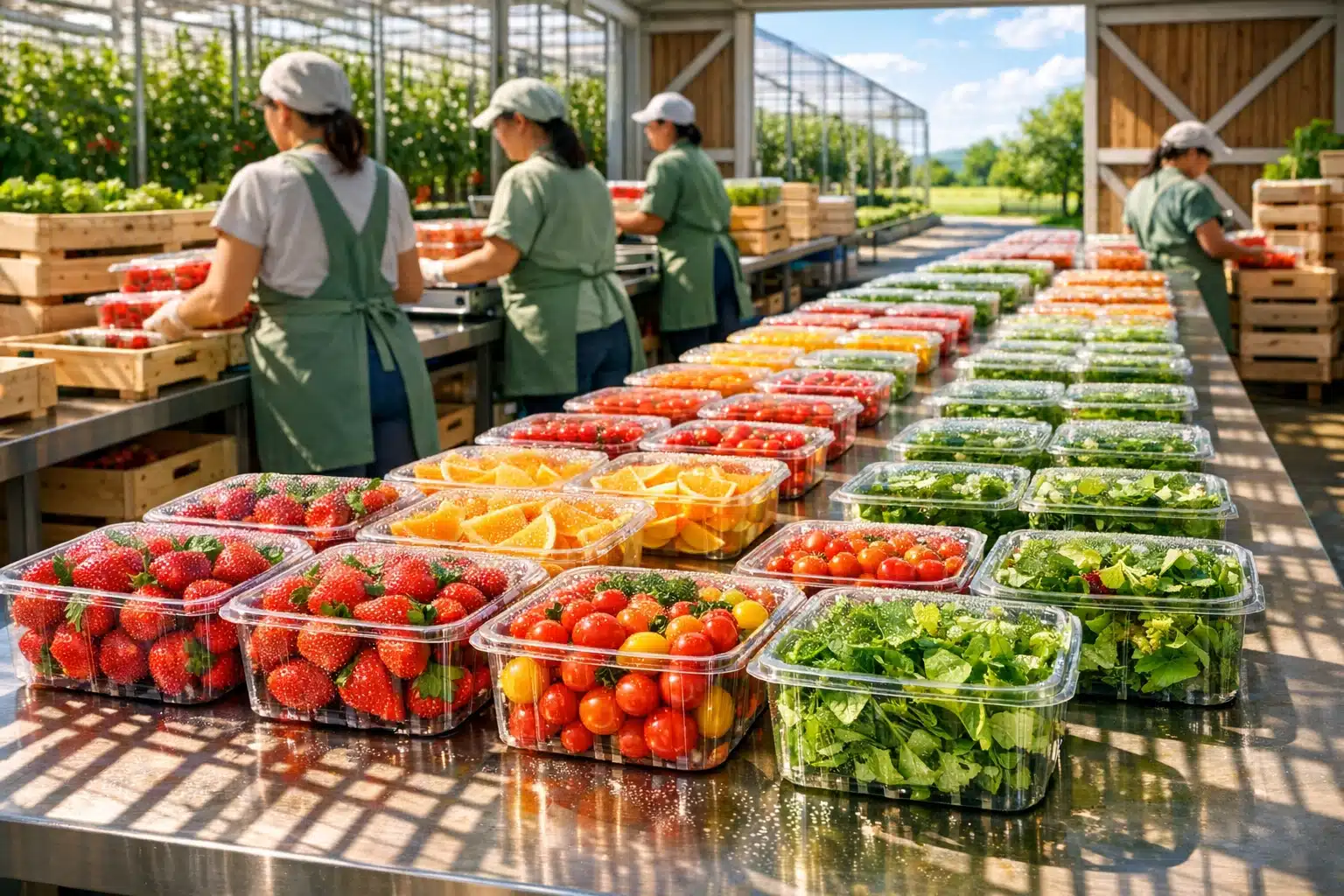
• farms and produce packing stations during harvest seasons
One useful way to understand the role is to compare it with nearby jobs. A food packer is not quite a cook, because the focus is usually not on recipe creation or heavy food preparation. The role is also different from a general warehouse picker, whose day may revolve around scanning shelves and loading pallets. Food packing combines elements of both worlds. It requires production-line discipline, but it also demands awareness of freshness, contamination risks, labeling rules, and product appearance. A crushed pastry box or missing allergen label is not a small mistake; it can lead to waste, returns, or safety concerns.
Part-time positions are especially common because food demand comes in waves. A bakery may need extra hands before weekends. A produce supplier may bring in more workers during a seasonal rush. A grocery distributor may expand shifts during holidays when packaged foods move faster. For employers, part-time staffing helps cover peaks in volume. For workers, that creates an accessible entry point. Many people use the role to earn income while studying, balancing family responsibilities, or testing whether they enjoy production work before moving into a full-time position. In that sense, food packing is more than a stopgap job. It can be a practical doorway into the broader world of supply chain, manufacturing, and food operations.
Daily Duties, Tools, and the Pace of a Typical Shift
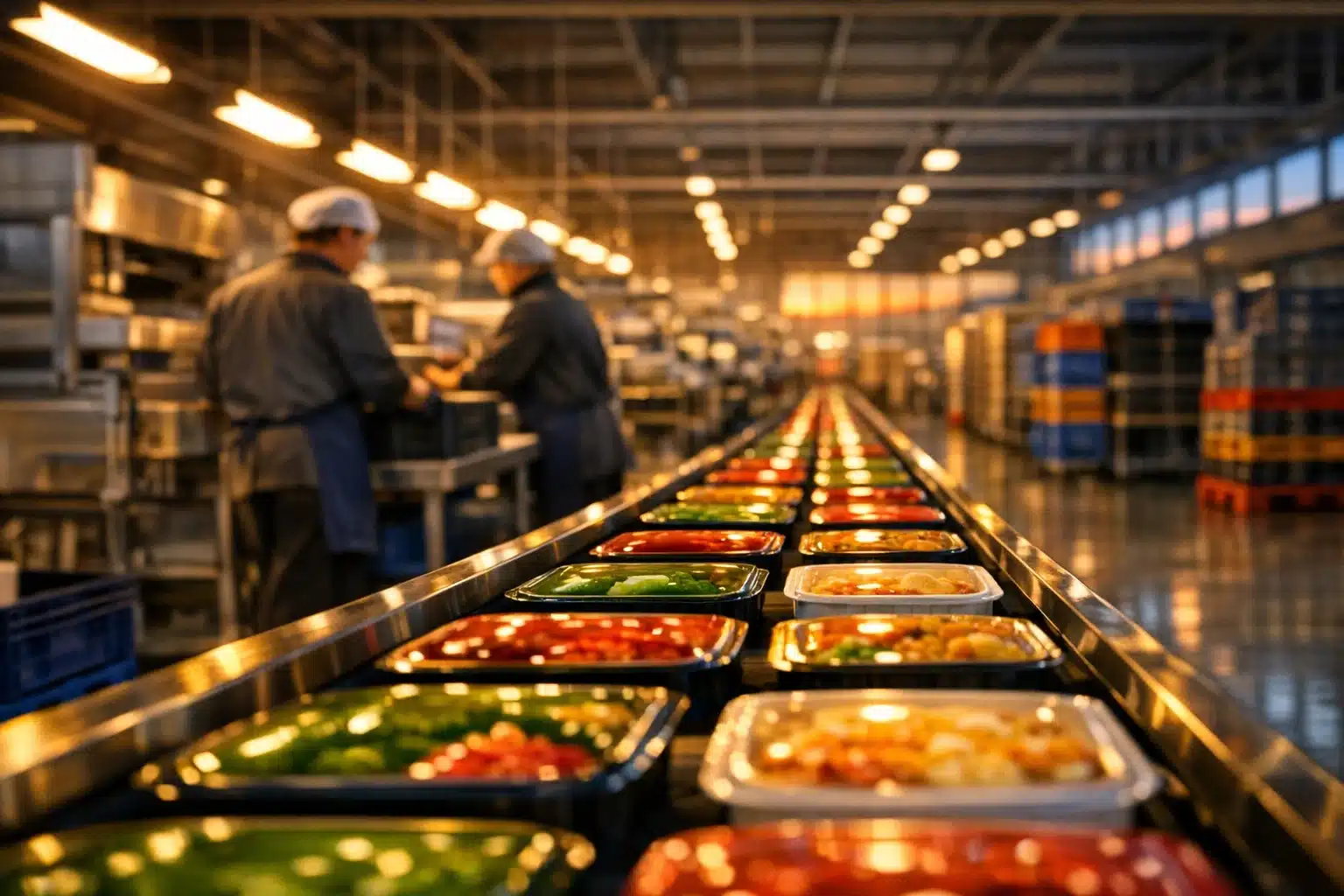
A typical part-time food packing shift often begins with preparation rather than packing itself. Workers may clock in, wash and sanitize their hands, put on gloves, hairnets, aprons, or sleeve covers, and review the day’s product plan. In a chilled facility, they might also check temperature logs or confirm that packaging materials are stocked at the workstation. Once the line starts moving, the pace can change quickly. A slow first ten minutes may turn into two busy hours where every tray, pouch, or carton needs to be handled correctly and without delay.
The daily duties depend heavily on the product category. Fresh produce packing often involves sorting by size, inspecting for bruising, weighing portions, and sealing clear containers. Bakery packing may focus on presentation, making sure icing is not smudged and labels sit straight. Frozen-food packing tends to emphasize timing because products must stay within cold-chain rules. In ready-meal operations, workers may portion ingredients, place sauces and sides in separate compartments, then apply date labels before boxing the final product. On some lines, tasks rotate every hour to reduce fatigue and repetitive strain. On others, one person stays at the same station and becomes extremely efficient at that single motion.
Common duties on a part-time shift can include:
• counting items into packages
• weighing products to meet portion targets
• sealing containers with machines or manual tools
• printing or applying labels with dates, batch codes, and ingredients
• checking packaging for leaks, tears, dents, or poor closure
• stacking finished goods into crates, racks, or pallets
• cleaning stations and removing damaged materials
• reporting shortages, equipment issues, or quality concerns to a supervisor
Even when the work is entry level, it is rarely random. Most employers track measurable outcomes such as units packed per hour, error rates, waste levels, and attendance. Some workplaces use conveyors and semi-automatic sealers, while smaller businesses rely on tables, scales, hand wrappers, and labeling guns. This means a worker must stay alert to both movement and detail. Imagine packing granola cups at a fast clip while also noticing that one sleeve of lids is the wrong size or that a label printer has shifted a date code by one line. That blend of rhythm and awareness is what separates reliable performance from careless output.
The physical demands are real, though they vary. Many part-time packers stand for most of the shift, repeat hand motions, lift boxes, or work in cool rooms. Some people find the steady routine satisfying, almost like falling into the beat of a well-timed assembly line. Others discover that the pace feels demanding if they prefer more variety. Knowing this daily rhythm in advance helps job seekers decide whether the role matches their comfort level, energy, and preferred type of work.
Skills, Qualifications, and Food Safety Standards That Matter
One reason part-time food packing attracts many applicants is that formal education requirements are usually modest. In many cases, employers do not ask for a college degree or deep prior experience. What they do look for is something more practical: reliability, steady focus, the ability to follow instructions, and respect for food handling rules. If a person shows up on time, learns quickly, and works carefully, that often matters more than an impressive résumé. Still, the best candidates understand that “entry level” does not mean “careless work.” Food businesses trust packers with products that people will eat, and that responsibility shapes the skill set.
The job blends physical ability with process discipline. Employers often value:
• manual dexterity for repetitive packaging tasks
• basic numeracy for counts, weights, and simple records
• visual attention for spotting damaged packaging or labeling errors
• stamina for standing, bending, and moving cartons
• teamwork because packing lines rely on coordinated flow
• communication skills to report defects, delays, or supply shortages
Food safety standards are a central part of the role. Even small workplaces usually follow structured hygiene rules influenced by Good Manufacturing Practices, sanitation procedures, and hazard-control systems such as HACCP principles. A part-time packer may not design those systems, but they are expected to work within them. That can include handwashing at set times, changing gloves after contamination risks, keeping raw and ready-to-eat items separate, checking allergen labels, and making sure products stay within required temperature ranges. In facilities handling nuts, dairy, shellfish, or gluten, cross-contact prevention is not a technical side note; it is a daily operating rule.
Training varies by employer. Some companies offer a short induction on the first day, followed by supervised line work. Others provide several days of instruction covering sanitation, equipment use, emergency procedures, and quality control. In certain regions or businesses, a food handler certificate is helpful, although not always mandatory for packing-only roles. Forklift training, machine operation skills, or prior warehouse experience can increase a candidate’s value, especially in larger distribution environments.
There is also an important difference between being fast and being effective. A new worker may believe the goal is simply to move as quickly as possible. Experienced supervisors usually know better. The most useful packers combine respectable speed with consistency. They do not ignore a torn seal to save three seconds, and they do not place the wrong flavor sticker on a box just to keep pace. In food packing, accuracy protects both the business and the customer.
For job seekers, the encouraging news is that most of these skills can be developed. Punctuality is a habit. Safe handling can be learned. Efficient motion improves with repetition. If someone is willing to listen, adapt, and work with care, they can often grow from a beginner on the line to a trusted employee who trains others or moves into quality checking, inventory support, or shift coordination.
Pay, Schedules, Advantages, and the Trade-Offs to Expect
Pay for part-time food packing varies widely by country, city, employer size, shift timing, and product type. In many U.S. markets, entry-level roles often fall somewhere around local minimum wage up to the mid-teens per hour, while employers with cold storage conditions, late-night shifts, or specialized packaging demands may pay more. In stronger labor markets or unionized environments, hourly rates can move higher, sometimes reaching the upper teens or low twenties for experienced workers. The key point is that this is usually a straightforward wage-based job rather than a commission role, so income depends mainly on hours scheduled and any shift differentials offered.
Part-time schedules are one of the role’s biggest attractions. Many employers offer shifts in the range of 15 to 30 hours a week, with options in the early morning, evening, or weekend windows. That flexibility can work well for:
• students who need classes free during the day
• parents arranging work around school pickups
• people adding a second income stream
• job seekers re-entering the workforce after a break
• workers testing a new industry before committing full time
The job also comes with clear advantages. Hiring can move quickly, especially during seasonal spikes. Expectations are usually concrete: pack correctly, follow safety rules, be dependable, and work cooperatively. Because the duties are tangible, many employees like the sense of visible output at the end of a shift. You can literally point to a pallet, shelf, or dispatch rack and say, “That is what I helped prepare today.” For some people, that feels more satisfying than abstract desk work.
Still, every honest job guide should mention the trade-offs. Part-time work may provide fewer benefits than full-time employment. Repetitive motion can be tiring. Cold rooms are uncomfortable for some workers. Peak production days may feel intense, especially before holidays or promotional periods. Depending on the employer, schedules can change week to week, which is helpful for flexibility but less ideal for people who need a fixed routine.
Compared with other entry-level roles, food packing has a distinct profile. Retail cashier jobs involve more customer interaction and emotional labor. Restaurant prep work may offer more variety, but it can be hotter, messier, and more chaotic. General warehouse roles sometimes pay slightly more, though they may include heavier lifting or broader travel across the site. Food packing sits in a middle space: structured, task-focused, and often accessible without extensive credentials. For workers who prefer clear procedures over sales pressure or public-facing service, that balance can be appealing. The best decision depends on temperament. Some people thrive on the calm logic of labels, counts, and sealed cartons; others would rather never hear the hum of a conveyor again.
How to Find Opportunities and Decide Whether This Job Fits You
If part-time food packing sounds like a possible fit, the next step is knowing where openings usually appear. Job boards are an obvious starting point, but they are not the only one. Local bakeries, food manufacturers, wholesalers, supermarket distribution centers, and staffing agencies often recruit regularly, especially when demand rises before holidays or harvest periods. Community employment centers can also be useful, particularly for people entering the workforce for the first time. When searching, use several keywords instead of just one. “Food packer,” “packing operative,” “production assistant,” “packaging associate,” and “meal prep packer” may lead to different listings for very similar work.
A strong application for this kind of role should emphasize practical traits more than grand career language. Employers want signs that a person can contribute quickly. Useful points to include on a résumé are:
• consistent attendance in previous jobs
• experience with fast-paced environments
• comfort with standing for long periods
• familiarity with hygiene or quality procedures
• ability to lift within the employer’s stated limit
• availability for early, late, or weekend shifts if applicable
Interviews for part-time food packing tend to be direct. Hiring managers may ask whether you are comfortable with repetitive tasks, cold environments, protective clothing, or shift-based schedules. They may also test how you think about mistakes. A thoughtful answer matters. Saying “I would tell a supervisor immediately if I noticed a labeling issue” often leaves a better impression than pretending errors never happen. In food work, honesty and prompt reporting are strengths.
It is equally important to spot weak opportunities before accepting them. A good employer should explain pay clearly, describe the work setting honestly, and provide safety guidance. Be cautious if a posting is vague about hours, avoids discussing physical requirements, or seems casual about hygiene procedures. In a responsible operation, sanitation, training, and product controls are treated as normal business essentials, not optional extras.
For the target audience of this topic, the final question is simple: is part-time food packing the right match for your current goals? If you need flexible income, prefer practical work over constant customer contact, and do not mind a structured routine, it can be a strong option. It is especially suitable for students, career changers, parents returning to work, and anyone who wants an accessible role with room to build discipline and industry experience. While the job can be repetitive and physically demanding, it also offers a clear path to dependable earnings and transferable habits. Show up prepared, learn the standards, and treat small details with respect, and this modest-looking role can become a meaningful first step toward broader opportunities in food production, logistics, or quality control.