Part-Time Food Packing Jobs: What to Expect and How to Get Started
For many people, part-time food packing sits at the crossroads of flexibility and necessity: a job that can fit around college schedules, school pickups, or a second source of income. Still, it is often underestimated. Behind every sealed snack tray, labeled produce bag, or boxed ready meal is a workflow built on hygiene, timing, accuracy, and steady teamwork. Knowing how that workflow operates helps applicants make smarter choices before they apply.
This topic matters because food packing roles are often easier to enter than many office jobs, yet they demand more skill and consistency than outsiders expect. Employers rely on part-time staff to cover busy production windows, evening shifts, seasonal peaks, and weekend demand. For workers, that creates access to income, routine, and sometimes a stepping stone into logistics, manufacturing, quality control, or team leadership.
Article outline:
- What part-time food packing work looks like in real settings
- The skills, physical demands, and safety rules employers expect
- How pay, scheduling, and employer type shape the experience
- How to apply, interview well, and start strong on the first shift
- Who the job suits best and how it can lead to broader opportunities
1. What Part-Time Food Packing Work Actually Looks Like
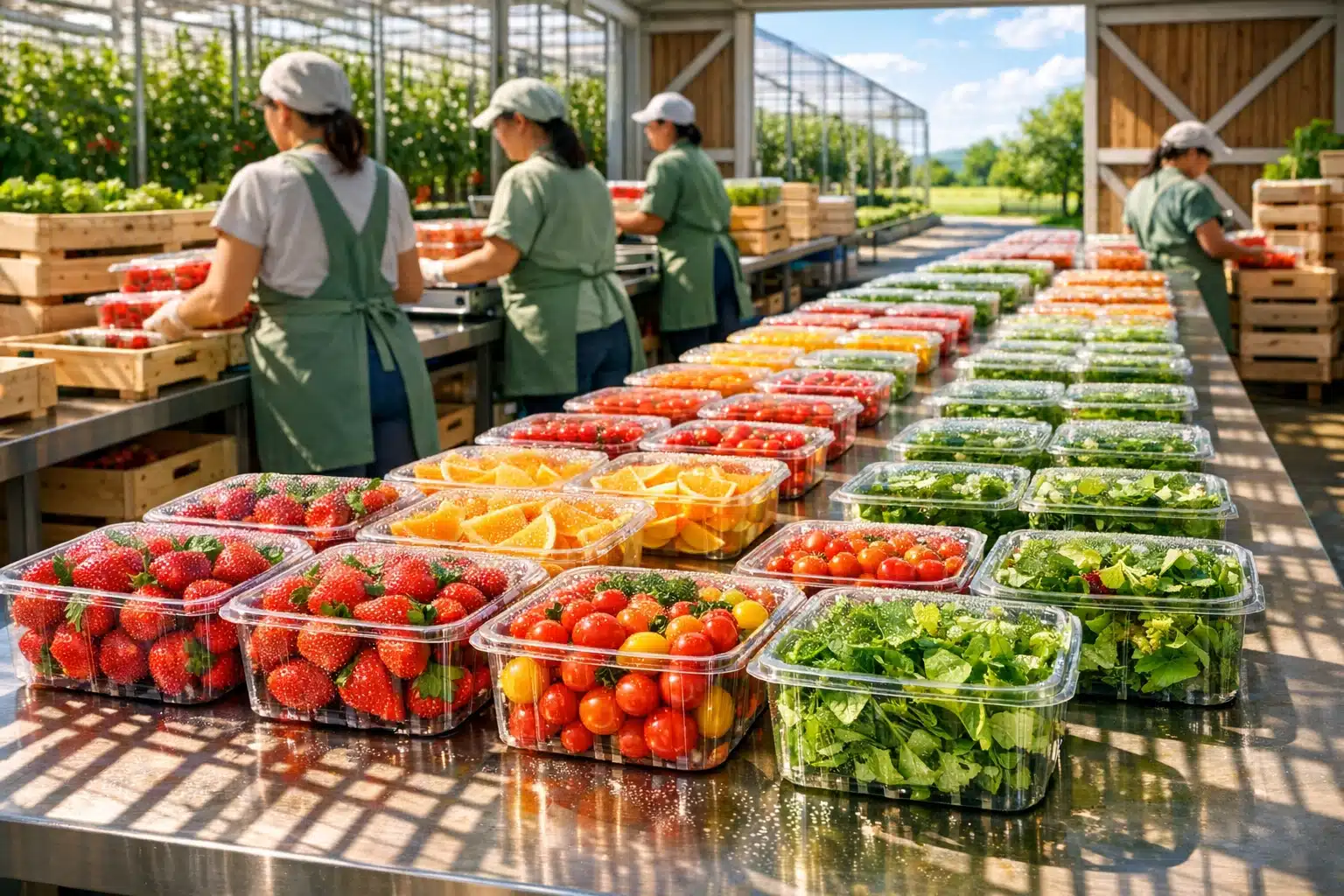
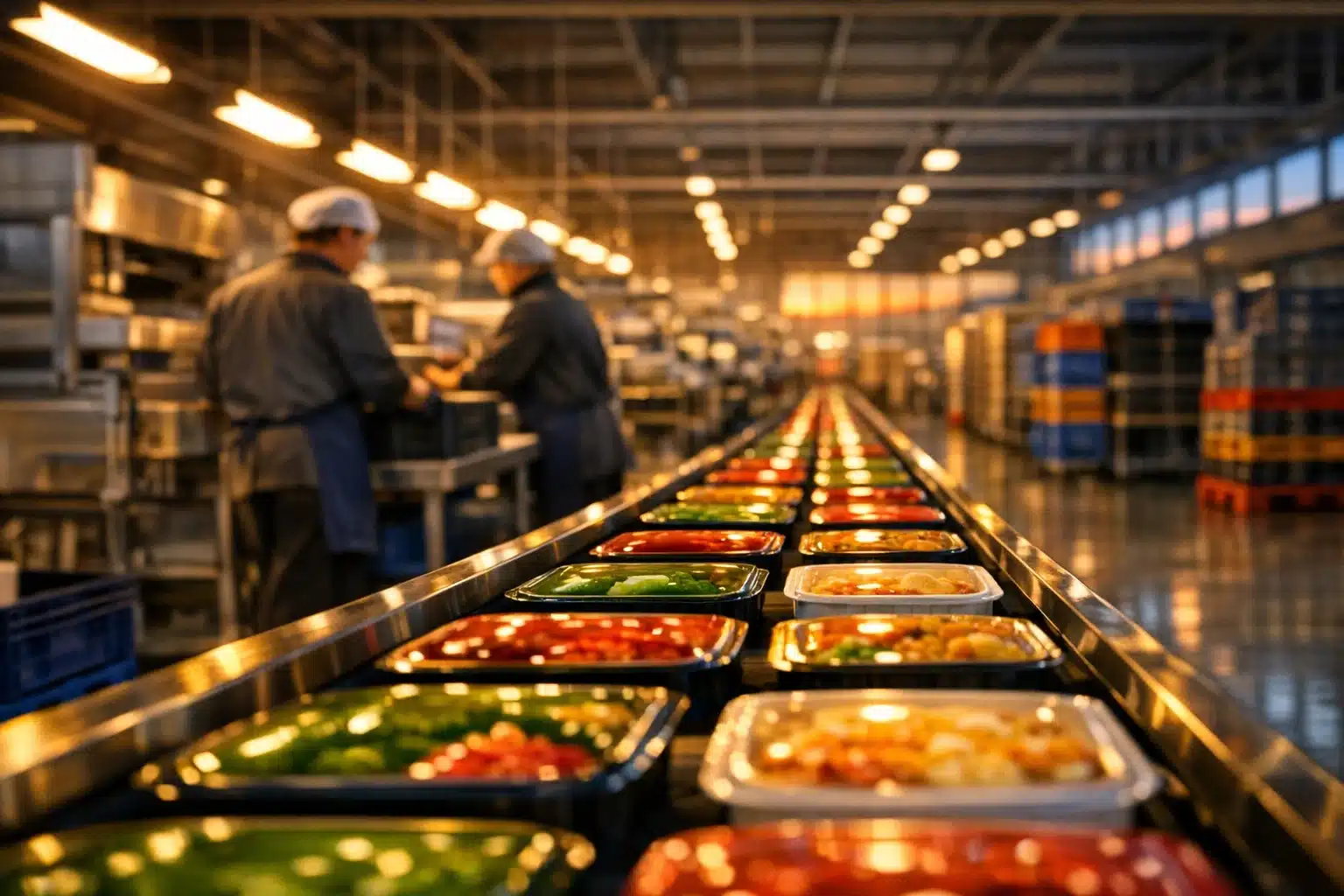
Part-time food packing jobs usually take place in factories, bakery units, chilled warehouses, meal-prep kitchens, produce centers, or distribution hubs that handle finished food before it reaches shops, restaurants, or customers. The setting can change the rhythm of the job, but the core purpose remains the same: prepare food items for safe, accurate, and efficient delivery. In a small bakery, that may mean bagging rolls, labeling trays, and boxing pastries for morning dispatch. In a larger ready-meal facility, it could involve standing on a production line, checking portion sizes, sealing containers, and confirming that labels match the product and date code.
A typical shift begins with preparation. Workers often clock in, put on protective gear such as hairnets, gloves, coats, aprons, or safety shoes, wash hands according to procedure, and receive a short briefing. That briefing may cover the day’s production targets, any allergen risks, machine changes, packaging updates, or special customer orders. Once the line starts moving, the work becomes highly structured. You might weigh ingredients, place items into trays, inspect seals, stack finished packs into crates, or move boxes onto pallets for dispatch. In some workplaces, the pace feels almost musical: belt moving, labels printing, hands repeating motions with practiced control.
Accuracy matters just as much as speed. A small labeling error can create a serious issue if ingredients, use-by dates, or allergens are listed incorrectly. That is why even entry-level packers are expected to pay close attention. Employers often track performance using simple but important measures:
- units packed per hour
- error rates and damaged items
- attendance and punctuality
- adherence to hygiene rules
- ability to work smoothly with the team
Compared with retail roles, food packing usually involves less customer contact and more repetitive process work. Compared with general warehouse picking, it places heavier emphasis on cleanliness, handling standards, and product presentation. Some people enjoy that clarity. The tasks are visible, the targets are concrete, and the shift often ends with a satisfying sense that something tangible has been finished. It is not glamorous work, but it is practical, structured, and deeply tied to everyday life. Every neatly packed lunch pack or produce carton on a store shelf started somewhere with workers who kept the line moving.
2. Skills, Physical Demands, and Safety Standards You Should Expect
One reason part-time food packing surprises new workers is that it combines simple entry requirements with very real physical and procedural demands. You usually do not need an advanced degree or years of experience to begin, but you do need reliability, basic stamina, and the ability to follow rules with care. Employers often value attitude as much as background. Someone who arrives on time, listens well, and keeps standards high can be more useful than an applicant with a longer resume but poor discipline.
The physical side should not be ignored. Many food packing roles involve standing for long periods, repeating hand movements, lifting light or moderate loads, and working in environments that are cooler than a normal office. Chilled areas, especially those handling fresh produce, dairy, meat alternatives, or ready meals, may operate at low temperatures for food safety reasons. In some facilities, workers rotate tasks to reduce strain; in others, the work can feel monotonous if the shift is busy and the line rarely stops. Comfortable footwear and realistic expectations matter more than people think.
Key skills and traits often include:
- good hand-eye coordination for sorting, sealing, and stacking
- attention to detail when reading labels, dates, and batch numbers
- awareness of hygiene rules, especially handwashing and contamination control
- the ability to keep a steady pace without rushing into mistakes
- teamwork, because production lines depend on each person doing their part
- basic communication, so instructions, hazards, and changes are understood quickly
Food safety is central to the role. Even part-time staff may receive training on contamination risks, allergen handling, temperature control, cleaning routines, and what to do if packaging is damaged. In many workplaces, you cannot wear jewelry, strong perfume, or loose items that could interfere with hygiene. If you are ill, especially with symptoms linked to stomach bugs, employers may require you to report it rather than attend a shift. These rules are not there to make the day harder; they protect consumers and the business.
Compared with hospitality jobs such as serving or counter work, food packing often feels more system-driven and less socially demanding. Compared with office work, it is more active and less mentally scattered by messages, calls, and meetings. That difference can be a major advantage for people who prefer clear tasks and visible results. Still, the job is not effortless. It asks for consistency, not heroics. People who thrive tend to treat small rules seriously, because in food packing, the small rules are the job.
3. Pay, Scheduling, and the Different Employers in This Field
Pay in part-time food packing varies widely depending on region, employer size, shift pattern, contract type, and whether the job is direct-hire or agency-based. In most cases, wages sit around entry-level hourly rates for manufacturing or warehouse support work, but there can be important differences behind that simple number. Evening shifts, nights, weekends, holiday periods, and colder working environments may come with premiums. Overtime can also change the picture, especially in busy seasons such as holidays, harvest periods, or promotional peaks for supermarkets and meal-delivery companies.
Schedule flexibility is one of the biggest reasons people consider this line of work. Employers often need staff for narrow windows: early morning packing before deliveries leave, afternoon production runs, evening labeling shifts, or weekend cover when full-time teams are smaller. That creates options for students, caregivers, and people combining two jobs. However, flexibility works both ways. Some workplaces offer stable weekly shifts, while others rely on changing rotas or agency calls with shorter notice. Before accepting a role, it is worth asking whether hours are guaranteed, whether shifts are seasonal, and how cancellations are handled.
The kind of employer matters a great deal. A local bakery may offer friendlier routines and smaller teams, but fewer formal benefits. A large food manufacturer may provide better training, stricter procedures, and clearer promotion routes, though the pace can be more intense. Common employer types include:
- fresh produce packhouses
- bakery and confectionery units
- ready-meal production facilities
- meat, seafood, or plant-based processing sites
- catering suppliers and central kitchens
- meal-kit and grocery fulfillment centers
Each environment shapes the day differently. Produce packing may be seasonal and physically brisk, especially during harvest cycles. Bakery packing can be fast and repetitive, but the work area may feel warmer and more familiar. Ready-meal operations usually involve stricter line control, traceability, and allergen procedures. Grocery fulfillment centers may combine packing with scanning, order assembly, and dispatch preparation.
When comparing offers, applicants should look beyond the base hourly rate. Travel time, shift stability, break policy, protective clothing, paid training, attendance bonuses, and the chance to move into longer-term work can all affect the real value of a job. A slightly lower wage at a reliable employer with fixed hours may be better than a higher number attached to irregular scheduling. In practical terms, the best part-time food packing job is often not the loudest opportunity on a job board, but the one that matches your life without constantly scrambling it.
4. How to Get Started: Applications, Interviews, and First-Day Preparation
Getting into part-time food packing is often straightforward, but a strong application still makes a difference. Employers usually want proof that you understand the realities of the role and will show up consistently. A short, clear CV works better than an overdecorated one. If you have previous experience in warehousing, cleaning, retail, catering, hospitality, manufacturing, or delivery, mention the parts that transfer well: punctuality, working under pressure, handling stock, following procedures, or maintaining hygiene. If you have no direct experience, focus on reliability, physical readiness, and shift availability.
Applications are commonly made through job boards, recruitment agencies, company websites, or local hiring events. Agency roles can be useful for fast entry, especially if you want temporary or flexible hours. Direct applications may take longer but can lead to steadier scheduling or internal progression. Neither route is automatically better; the right choice depends on whether you value speed, security, or a mix of both.
During interviews, hiring managers often ask practical questions rather than abstract ones. They may want to know:
- Can you stand for long periods and work at a steady pace?
- Are you comfortable in chilled environments or with protective clothing?
- What shifts can you reliably work every week?
- Have you followed hygiene or safety procedures in a previous job?
- How do you avoid mistakes when tasks become repetitive?
Good answers are honest and specific. If you are available only on certain days, say so clearly. If you have handled stock or worked in a fast-paced setting, describe one example that shows calm, accuracy, and teamwork. Employers would rather hear a realistic answer than a polished speech that falls apart after the first shift.
Preparation for day one also matters. Bring requested documents, arrive early, wear suitable clothes for travel and changing, and pay attention during induction. Ask questions if instructions are unclear, especially around allergens, machine safety, lifting, and break procedures. New workers sometimes try to impress by moving too fast. Ironically, that can create more errors. A better strategy is to learn the process properly, then build speed once the rhythm becomes familiar.
Watch for warning signs during the hiring process. If a company cannot explain pay, breaks, shift expectations, or safety rules, pause before accepting. A well-run food packing workplace should be able to explain these basics clearly. Starting well is not about pretending the job is easy; it is about showing that you understand the demands and are ready to meet them with common sense and consistency.
5. Is Part-Time Food Packing Right for You? A Practical Conclusion for Job Seekers
Part-time food packing can be a very good fit, but it is not a universal solution. It tends to suit people who appreciate structure, can handle repetitive tasks without losing focus, and want work that is easier to enter than many white-collar roles. Students often value the shift-based nature of the job. Parents may like the possibility of early, late, or school-hours work, depending on the employer. People returning to employment after a break can also benefit from the accessible entry point and the chance to rebuild routine, confidence, and recent work history.
At the same time, the role can feel tough for workers who dislike standing, struggle with repetitive motions, or want constant variety and independence. The pace is usually set by the line, the order schedule, or dispatch deadlines rather than by personal preference. In other words, this is a job where the clock matters, the label matters, the seal matters, and the team matters. If that kind of environment feels satisfying rather than restrictive, you may settle into it faster than expected.
One important advantage is that food packing can lead somewhere. People often start with simple packing tasks and later move into:
- quality control and inspection
- machine operation
- stock control or inventory support
- team leading or line supervision
- dispatch and logistics coordination
- food production planning
That pathway is not guaranteed, but it is real. Employers often notice workers who combine reliability with attention to detail, because mistakes in food handling are costly and trustworthy staff are valuable. Even if you do not plan to stay long term, the job can build useful habits: punctuality, process discipline, safety awareness, and experience in a production environment.
For the target audience, the key question is simple: does this job fit your life as it is now? If you need flexible income, can work on your feet, and prefer clear expectations over vague office politics, part-time food packing may be worth serious consideration. Go in with open eyes. Ask about shifts, temperature, targets, training, and transport before you accept. The role is not glamorous, but it is honest work at the heart of how food moves from preparation to shelf. For many workers, that makes it not just a stopgap, but a smart and steady place to start.