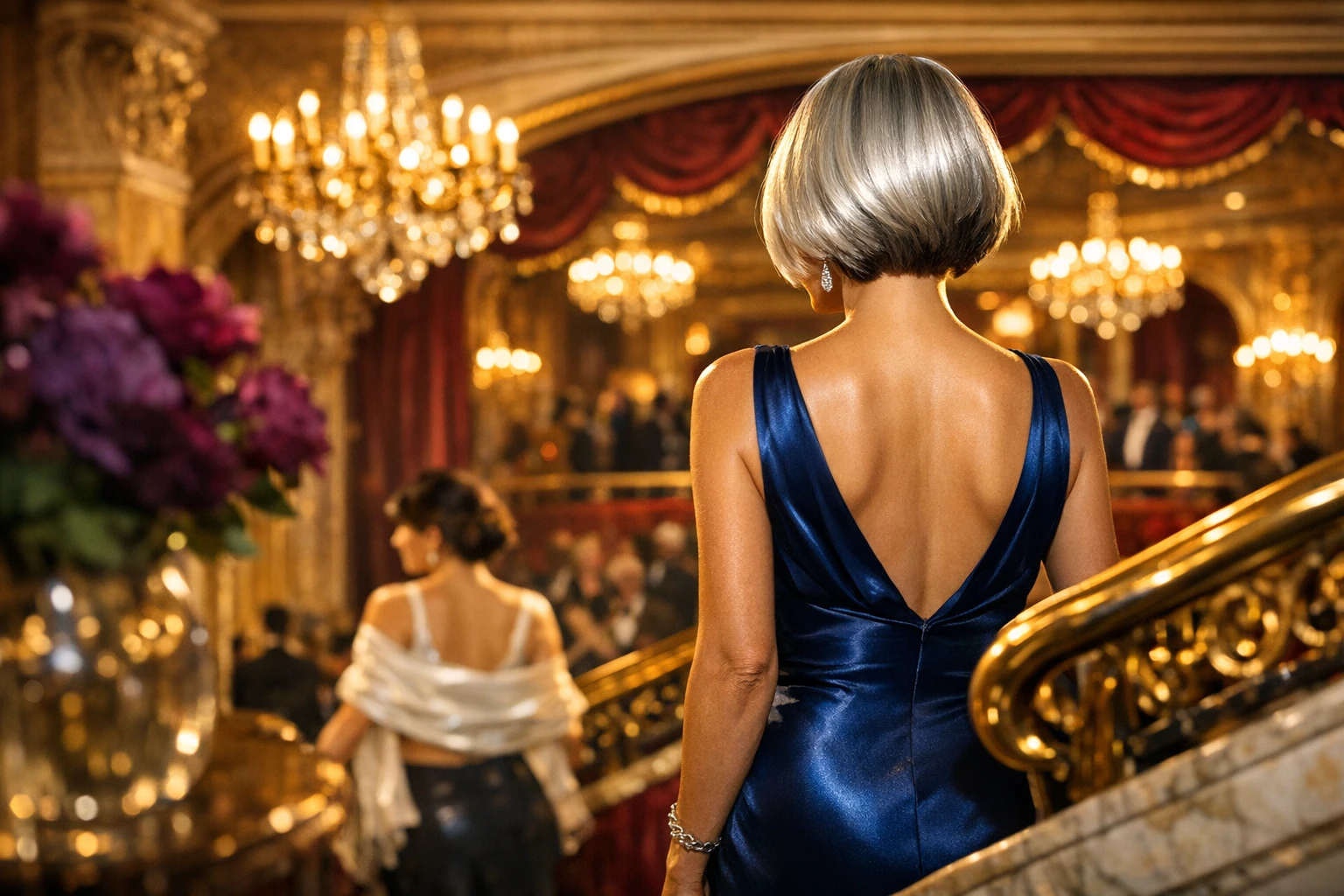
Hairstyles for Older Women: Embracing Style, Confidence, and Versatility at Every Age
Hair does more than frame the face; it can quietly signal energy, self-assurance, and personal taste at every stage of life. For older women, the right hairstyle is not about chasing youth but about choosing shape, texture, and upkeep that suit real routines and changing hair needs. This guide looks at cuts, color choices, styling methods, and care habits that help hair feel polished, comfortable, and unmistakably personal. From crisp pixies to soft shoulder-length layers, the options are broader than many women are led to believe.
Outline and Importance: Why Hairstyle Choices Matter More Than Many Women Realize
Choosing a hairstyle in later life is often treated as a small beauty decision, but in practice it sits at the crossroads of comfort, identity, grooming time, and confidence. Hair changes with age, yet style does not have to shrink with it. In fact, many older women find that this stage of life brings more clarity, not less. They know what feels authentic, what maintenance they are willing to do, and what image they want to project. A good hairstyle supports that clarity. It can soften facial features, add movement to thinning hair, highlight silver strands beautifully, or simply make the morning mirror feel friendlier.
This article follows a practical outline so readers can move from broad understanding to smart decision-making. The guide covers:
• how hair texture, density, and color often change with age
• which haircut families work well for fine, thick, straight, wavy, or curly hair
• how styling, parting, bangs, and color placement affect volume and softness
• how to match a haircut with face shape, lifestyle, and personal taste
• how to speak with a stylist so the final result works in daily life, not only in salon lighting
The relevance of this topic is easy to see. Many women over 50, 60, and beyond notice reduced density, more visible scalp at the crown, coarser gray strands, or hair that no longer behaves the way it did a decade earlier. Hormonal changes, medication, stress, and natural aging can all affect growth and texture. That is why hairstyle advice for mature women should be practical rather than patronizing. It should not assume that every woman wants short hair, nor should it insist that long hair is the only path to femininity. The smartest approach is flexible. Think of hairstyle as architecture with a little poetry mixed in: shape gives support, texture adds character, and movement keeps everything alive. Once that idea clicks, the search for the right look becomes less about rules and more about informed choice.
How Hair Commonly Changes With Age and What Those Changes Mean for Styling
One reason hairstyle decisions can feel more complicated over time is that hair itself is not static. As women age, the hair fiber, the scalp, and the pattern of growth can all shift. Dermatologists and hair professionals commonly note several changes: reduced melanin can turn hair gray or white, hormone shifts may influence thickness, and sebum production often decreases, which can leave hair feeling drier and less flexible. Growth can also seem slower, and some women experience a widening part or general thinning, especially after menopause. None of this means attractive styling becomes harder; it simply means old habits may stop giving the best results.
Texture changes are especially important. Fine hair may become flatter and more fragile, making heavily layered cuts or long lengths less effective if the goal is fullness. Coarser gray hair, on the other hand, can puff outward or resist smooth styling, which means it often benefits from deliberate shaping and moisture-rich products. Curly hair may lose some definition or become drier, while naturally straight hair can develop unexpected bends. Mature hair, in other words, is not one category. Two women of the same age can have completely different needs.
A few common signs help explain why a previous haircut may stop working:
• the crown looks sparse even when the ends seem full
• hair collapses by midday and loses lift at the roots
• gray strands feel wiry and reflect light differently
• the scalp becomes more sensitive to harsh products or excessive heat
• the face shape appears visually altered by changes in skin tone, jawline softness, or eyewear
These details matter because haircut design should respond to them. A blunt one-length cut may make fine hair look thicker, while carefully placed layers may help dense hair feel lighter and move better. A side part can create instant lift on one head, yet emphasize uneven volume on another. That is why mature hair care starts with observation rather than assumption. The aim is not to “fix” age, but to read the hair honestly. When women understand what has changed, styling becomes less frustrating and more strategic. The brush stops being an opponent, and starts acting like a tool again.
Best Haircut Families for Older Women: From Pixies to Long Layers
There is no single best haircut for older women, but there are several reliable haircut families that tend to work well because they can be adapted to texture, face shape, and maintenance preferences. The most useful comparison is not between “young” and “old” styles, but between cuts that add structure and cuts that require more natural density than the hair currently has. Once that shift in thinking happens, the options become refreshingly wide.
The pixie is often recommended for mature women because it can add lift, expose cheekbones, and shorten styling time. That recommendation is not wrong, but it is incomplete. A pixie works best when the wearer likes a visible, confident silhouette and is willing to keep up with trims. On fine hair, a softly textured pixie can create movement and airiness. On thick or coarse hair, a longer pixie with tapered sides may be more flattering than a very short crop, which can puff out if not shaped well. The key advantage is definition; the key drawback is maintenance, since short cuts can lose form quickly.
The bob remains one of the most versatile choices. A chin-length bob can sharpen the jawline visually, while a longer bob, often called a lob, offers more softness and flexibility. Compared with a pixie, a bob usually requires less frequent trimming and allows more variation in styling. It can be sleek, tucked behind the ears, softly waved, or blow-dried for volume. For women with fine hair, a blunt bob often creates the illusion of density because the ends look fuller. For thick hair, internal layers can remove bulk without making the shape look feathery or dated.
Shoulder-length cuts and long layers also deserve more respect than they sometimes receive in age-related beauty advice. Long hair can absolutely work on older women, especially when the hair remains healthy and the cut has shape. The problem is rarely length itself; it is usually the lack of structure. Hair that hangs heavily can drag features down, while face-framing layers, curtain bangs, or gentle bends can restore movement and brightness.
Useful haircut matches often look like this:
• fine straight hair: blunt bob, lob, soft pixie, short layered crop with volume at the crown
• thick straight hair: graduated bob, layered lob, longer pixie with shape through the top
• wavy hair: collarbone cut with soft layers, textured bob, layered shag-inspired cut
• curly hair: rounded bob, shoulder-length layered cut, shaped crop with curl definition
• women who want low daily effort: classic bob, wash-and-go pixie, softly layered medium cut
The real goal is balance. The best haircut should work with the hair you have now, not the hair you had at 35. When shape, density, and daily routine line up, a haircut stops feeling like a compromise and starts feeling like a signature.
Styling, Color, and Daily Maintenance: Small Adjustments That Make a Big Difference
A strong haircut is the foundation, but styling and color choices often determine whether that haircut feels modern, flattering, and easy to live with. Mature hair benefits from a lighter hand and more deliberate product use. Heavy waxes, sticky sprays, and overly stiff set styles can make hair look dated or weighed down. In contrast, lightweight volumizing mousse, root-lift spray, smoothing cream, or curl-defining leave-in products can help hair move naturally while still holding shape. The idea is control without helmet-like rigidity.
Volume is one of the most common concerns. For fine or thinning hair, lift usually works better when it starts at the roots rather than through excessive layering at the ends. Blow-drying with a round brush, using velcro rollers at the crown, or changing the part slightly can create more fullness with minimal effort. Women with curls or waves often get better results from diffusing on low heat and applying moisture-focused products while the hair is still damp. For gray hair, shine becomes especially important because silver strands can look stunning when they reflect light well, but dull when dry.
Color is where personal taste really enters the room. Some women prefer to fully embrace gray or white hair, and that can be elegant, striking, and wonderfully low-conflict once the transition is complete. Others prefer highlights, lowlights, glosses, or blended color to soften the line between natural gray and previous dye. Neither path is more correct. What matters is maintenance, budget, and the desired look. Full root coverage can require frequent salon visits, while gray blending often grows out more gently.
Helpful maintenance principles include:
• use heat protectant whenever styling with hot tools
• trim regularly to prevent frayed ends from making hair look thinner
• choose shampoos and conditioners that match scalp and texture needs, especially for dryness
• consider purple or blue-toned products for silver hair if yellowing becomes noticeable
• avoid overly dark, flat color if it creates harsh contrast against the skin
A fresh hairstyle rarely comes from one dramatic move. More often, it comes from several smart adjustments working together: a better part, softer color placement, less heat, more moisture, and a cut that respects the hair’s current behavior. Like good tailoring, good styling is often subtle from a distance and transformative up close.
Choosing a Style That Fits Your Face, Your Routine, and Your Sense of Self
The final step is the most personal one: choosing a hairstyle that feels believable on your own head and in your own life. Face shape matters, but it should not be treated as a rigid rulebook. A round face may benefit from height at the crown or length around the front, while a longer face may suit width through waves or a fuller fringe. A strong jawline can look wonderful with a blunt bob, and softer features may come alive with layers that add movement near the cheekbones. Yet these are guidelines, not commands. Eyeglasses, hearing aids, neck length, posture, and even wardrobe habits can all influence what looks balanced.
Lifestyle is just as important as facial structure. A woman who exercises most mornings, lives in a humid climate, or prefers to spend five minutes on hair rather than thirty needs a cut that respects reality. If the style only looks good after a full blowout, it may not be the right choice. On the other hand, a woman who enjoys styling and sees hair as part of creative self-expression may love a look with more shape and detail. Comfort, maintenance frequency, and personal rhythm are not minor concerns; they are design criteria.
It also helps to prepare for salon conversations with a little precision. Instead of saying, “I need something younger,” try describing what you actually want the haircut to do. For example:
• add fullness around the crown
• soften the forehead with bangs or face-framing pieces
• reduce bulk at the sides
• make natural gray look intentional
• keep enough length to tie the hair back occasionally
Photos can help, but they work best when used as references rather than promises. A stylist can explain whether the shape in the photo matches your density, texture, and growth pattern. That conversation matters. The best salon result is rarely the trendiest cut in the room; it is the one that still makes sense two weeks later, on an ordinary Tuesday, when you are styling it yourself.
For older women, the most successful hairstyle is the one that supports confidence without pretending age does not exist. It respects the changing nature of hair while leaving plenty of room for beauty, polish, and individuality. There is no deadline for reinvention, and no rule saying style should quiet down with time. If anything, this stage offers a sharper advantage: you know yourself better now. Let the haircut show it.