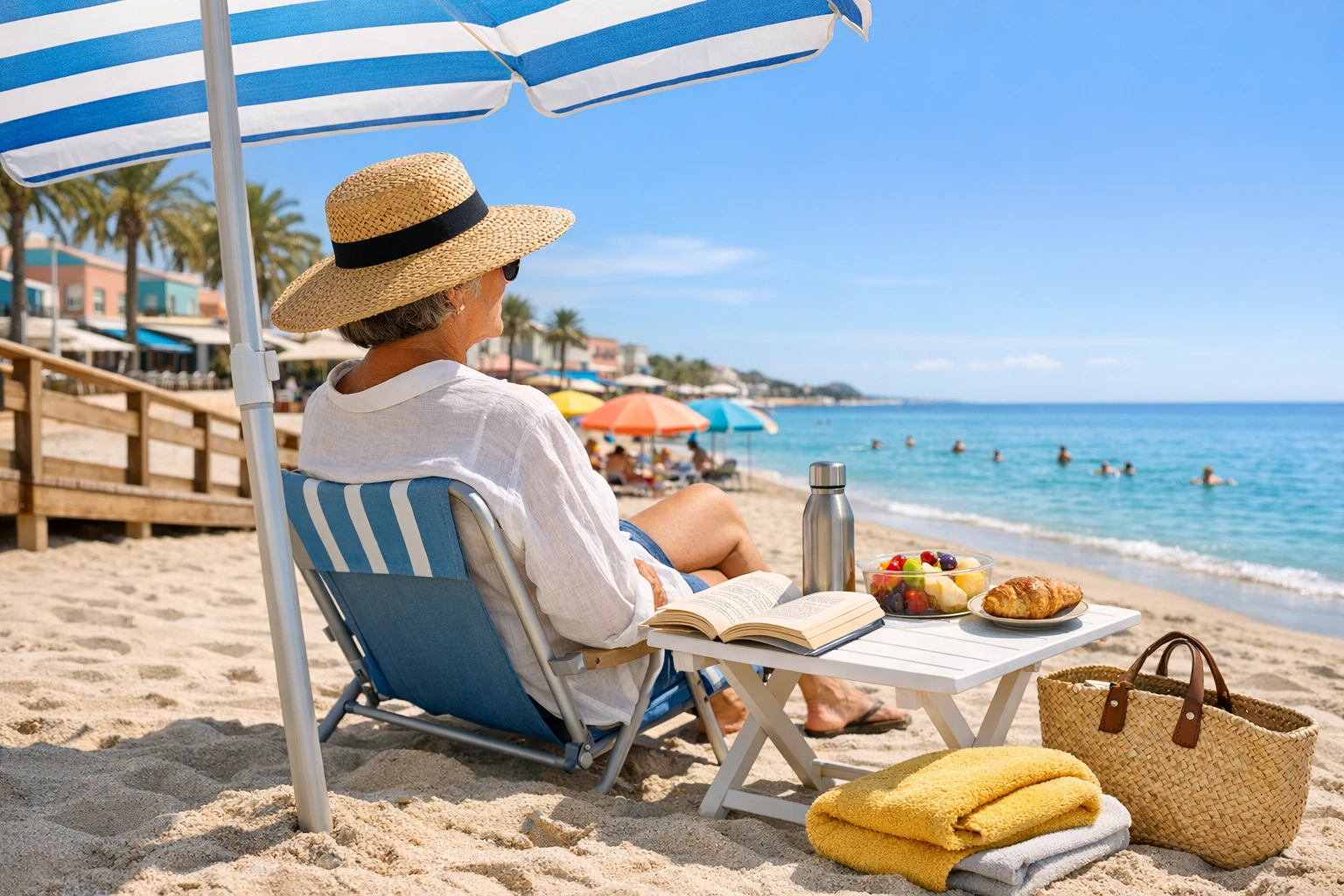
Affordable Seaside Vacations for Seniors
For many older travelers, the sea offers more than scenery: it brings gentle routines, cleaner air, and a slower rhythm that suits a relaxed holiday. The challenge is cost, especially when pensions, medical needs, and seasonal price spikes all compete for attention. A well-planned trip can solve that problem. With the right destination, travel dates, and lodging choices, a beach vacation can remain comfortable, social, and realistically priced.
Below is a practical outline for planning an affordable coastal break. First, compare destinations by climate, accessibility, and real value rather than fame. Next, look at transport and accommodation as one combined expense, not two separate purchases. Then consider health, mobility, and energy levels before filling the days with low-cost activities. Finally, build a booking plan and a realistic budget that supports peace of mind.
- Choose destinations that are easy to reach and easy to walk around.
- Use shoulder season pricing instead of peak summer rates when possible.
- Pay for comfort that matters, and avoid extras that add little value.
- Plan for medication, shade, rest, and local services before departure.
- Stretch the holiday budget with simple activities and longer-stay logic.
Choosing the Right Coastal Destination: Value, Climate, and Accessibility
The cheapest beach holiday is not always the one with the lowest nightly rate. For seniors, true value usually comes from a destination that reduces stress, keeps walking manageable, and avoids hidden costs. A famous resort may look attractive in brochures, yet a smaller coastal town often delivers a better overall experience. Less crowded promenades, calmer traffic, shorter queues, and lower restaurant prices can make a meaningful difference over a week or two. In practical terms, a modest apartment near a flat seafront can be more useful than a luxury room on a steep hillside.
One of the most important choices is season. In much of Southern Europe, the shoulder months such as May, June, September, and early October often offer lower prices than late July and August. Price drops of 20 to 40 percent are common in many seaside markets, and quieter destinations may fall even further when schools are back in session. For older travelers who are not tied to school holidays, this is one of the clearest ways to save money without sacrificing quality. The sea may still be warm, the air is usually gentler, and the town often feels more human. Instead of racing for a restaurant table, you can hear cutlery, footsteps, and waves again.
Accessibility matters just as much as price. Seniors should compare destinations using everyday questions:
- Is the beach reachable without stairs or steep roads?
- Are there benches, shade, pharmacies, and grocery shops nearby?
- Can you arrive by direct train, coach, or simple airport transfer?
- Is the promenade smooth enough for a cane, walker, or slower pace?
- Are medical services available within a short taxi ride?
Mainland resorts are often cheaper and easier than islands once ferry schedules, baggage handling, and transfers are added. Likewise, lesser-known regions can offer stronger value than headline destinations. A senior traveler may find more practical comfort in a small town in eastern Algarve, Abruzzo, or a quieter Adriatic stretch than in a globally famous resort where every coffee, taxi, and beach chair carries a premium. The smartest destination is not the one that impresses strangers; it is the one that lets you unpack, breathe deeply, and enjoy the shoreline without turning each day into a logistical exercise.
Saving on Transport and Accommodation Without Sacrificing Comfort
For budget-conscious seniors, transport and accommodation should be planned together because the savings in one area can disappear quickly in the other. A low-cost flight to a distant airport may look like a bargain until a long transfer, added baggage fees, and late arrival create extra expense. By contrast, a direct train to a coastal town, even if the ticket seems higher at first glance, may prove cheaper once parking, tolls, fuel, or airport transfers are removed from the equation. Convenience has financial value too, especially when it reduces fatigue on the first and last day of the trip.
Accommodation deserves the same careful comparison. Seniors often face a choice between apartments, small hotels, pensions, and package stays. None is automatically best. An apartment can save money when travelers enjoy simple breakfasts, light lunches, and the freedom to prepare tea, fruit, or a basic evening meal. A half-board hotel, however, may cost less overall for those who would otherwise dine out twice a day. Package holidays can also offer strong value when flights, transfers, and meals are bundled, but only if the timetable and location genuinely suit the traveler. An inexpensive package loses its charm when the hotel is far from the promenade or when loud evening entertainment makes rest difficult.
A useful way to compare options is to price the full daily cost rather than the room rate alone:
- Lodging per night
- Breakfast and dinner costs
- Transfers or local transport
- Beach fees, if private access is involved
- Extra charges such as air conditioning, parking, or tourist tax
Booking strategy matters as well. In many markets, booking several weeks or a few months ahead offers a good balance between price and choice. Senior discounts may be available on trains, coaches, museum passes, and sometimes hotel rates, though they are not always advertised clearly. It is worth asking directly. Another smart move is to consider longer stays. If transport costs 150 dollars or euros round trip, that amount weighs heavily on a four-night break but becomes easier to absorb over ten nights. The daily average often falls substantially.
Comfort should never be treated as a luxury extra. Paying a little more for a lift, ground-floor access, blackout curtains, or a room within easy walking distance of the sea can prevent problems that later cost both money and energy. A good budget plan does not mean trimming every corner. It means knowing which comforts protect the whole holiday.
Health, Mobility, and Peace of Mind on a Budget Beach Holiday
Affordable travel for seniors works best when comfort is planned before departure, not patched together during the trip. Health considerations do not need to turn a seaside break into a medical exercise, but they should shape practical decisions. A destination with a nearby pharmacy, accessible promenade, and dependable local transport is often a better bargain than a cheaper resort that leaves travelers isolated. The same principle applies to hotels and apartments. A room on the third floor without a lift may be inexpensive on paper, yet it can become costly if it limits rest, makes luggage difficult, or turns every outing into an effort.
Preparation can stay simple and still be effective. A short pre-trip checklist reduces the chance of avoidable stress:
- Pack enough prescription medication for the full stay, plus a small buffer.
- Carry a written list of medicines, doses, and allergies.
- Check travel insurance details and emergency contact numbers.
- Bring sun protection, a hat, refillable water bottle, and comfortable footwear.
- Confirm whether the beach has ramps, accessible toilets, or shaded seating.
Many coastal towns now offer better accessibility than they did a decade ago. Some public beaches in Europe provide ramps, adapted changing areas, or amphibious wheelchairs during the summer season. These services vary by region, so checking the local tourism office or municipal website before booking can save disappointment later. Even small details matter: a beach with nearby toilets and cafés may be far more suitable than a picturesque cove reached by many steps.
Heat management is another key issue. Older adults can be more sensitive to dehydration and prolonged sun exposure, so the cheapest travel dates are not always the wisest if they coincide with extreme temperatures. Shoulder season again stands out as a practical compromise. Early swims, shaded midday breaks, and evening walks along the waterfront can create a lovely rhythm. There is a quiet pleasure in watching the sea wake up before the crowds arrive, then returning to the room for rest while the brightest hours pass.
Health also includes emotional ease. Seniors traveling alone may prefer destinations with lively but not overwhelming public spaces, where a newspaper, a coffee, and a familiar bench become small anchors in the day. Those traveling as a couple or with friends may find that a slower itinerary leads to better sleep, lower spending, and more enjoyment. Peace of mind is not an add-on to the trip. It is part of the value you are paying for.
Low-Cost Activities That Make a Seaside Stay Richer and More Social
A beach holiday becomes expensive when every hour needs to be filled with paid entertainment. The good news is that coastal destinations naturally offer many low-cost pleasures, and these often suit seniors better than fast-paced attractions. A morning walk along the promenade, a slow coffee near the harbor, or an hour spent reading under a parasol can create the kind of holiday memory that glossy excursions rarely match. The sea has a way of making simple routines feel ceremonial. Even buying fruit at a market can seem brighter when the salt air follows you through the square.
Many older travelers also enjoy activities that combine movement, conversation, and local character. Public beaches, boardwalks, town gardens, churches, maritime museums, and weekly markets are often inexpensive or free. Some coastal towns host band performances, open-air cinema, local festivals, or craft fairs during summer evenings. These events can add atmosphere without putting pressure on the budget. A beach club with premium seating may cost significantly more than a public beach plus a rented umbrella, while a local ferry across the bay can be more charming and far cheaper than a polished sightseeing cruise.
Useful low-cost ideas include:
- Morning or sunset walks on flat waterfront paths
- Public beach days with your own snacks and water
- Town markets for picnic supplies and local specialties
- Low-fee museums, churches, or historical centers
- Short local bus or ferry trips instead of full guided tours
- Free concerts, festivals, or cultural evenings in the main square
For seniors traveling alone, social ease matters. Seaside towns are often friendly places to strike up small conversations without pressure. Hotel terraces, promenade benches, and local cafés provide natural meeting points. Group excursions can be worthwhile, but they are not the only route to connection. Repeatedly visiting the same bakery or beach café can create a welcome sense of familiarity. Staff recognize your order, another guest nods hello, and the place begins to feel less like a stopover and more like a temporary neighborhood.
There is also value in leaving space unplanned. Not every afternoon needs an itinerary. Looking at fishing boats, listening to gulls, or watching children chase the tide can be enough. Budget travel becomes richer when it allows time to absorb the setting instead of constantly buying access to it. Seniors often understand this instinctively. The best seaside days are not always the busiest ones; often they are the days that move slowly, spend lightly, and leave you refreshed rather than rushed.
Conclusion for Seniors: Building a Seaside Holiday That Fits Your Budget and Pace
For seniors, an affordable seaside holiday is rarely the result of one dramatic discount. It usually comes from several calm, sensible decisions working together: choosing a lower-key destination, traveling outside peak dates, booking accommodation that matches real needs, and shaping each day around comfort rather than pressure. That approach may sound simple, yet it is exactly why it works. A trip built around realistic habits is easier to enjoy than one built around bargains that create inconvenience.
The timing of booking matters, but it should serve confidence rather than urgency. Booking too early can limit flexibility, while booking too late can leave only inconvenient rooms or costly routes. In many cases, looking a few months ahead is enough to compare options well. Seniors who are flexible with departure days can often find better fares midweek than on weekends. Longer stays also deserve serious consideration. A ten-day or two-week trip can reduce the average daily cost because the transport expense is spread across more nights. For travelers on a fixed income, that math can be surprisingly helpful.
A practical budget can be built in five steps:
- Set a total amount you are comfortable spending before you browse.
- Reserve funds first for transport, lodging, food, and insurance.
- Add a modest daily amount for treats, cafés, and local travel.
- Keep a small emergency cushion for taxis, pharmacy visits, or weather changes.
- Compare the final total, not the headline price in advertisements.
Here is a simple example. If a short trip costs 150 in transport and 70 per night in lodging, four nights may average more than 100 per day before meals. Stretch the stay to ten nights, and the daily average drops considerably even before smarter food choices are included. This does not mean every senior should travel longer, only that duration can be part of the savings strategy.
Most of all, remember what makes the trip worthwhile. You are not competing with younger travelers, luxury resorts, or social media postcards. You are looking for rest, manageable pleasure, and a setting that gives something back. The ideal holiday may be a modest room, a quiet beach, a safe walkway, and enough time to watch the tide change twice in one day. For many seniors, that is not a compromise. It is the whole point.