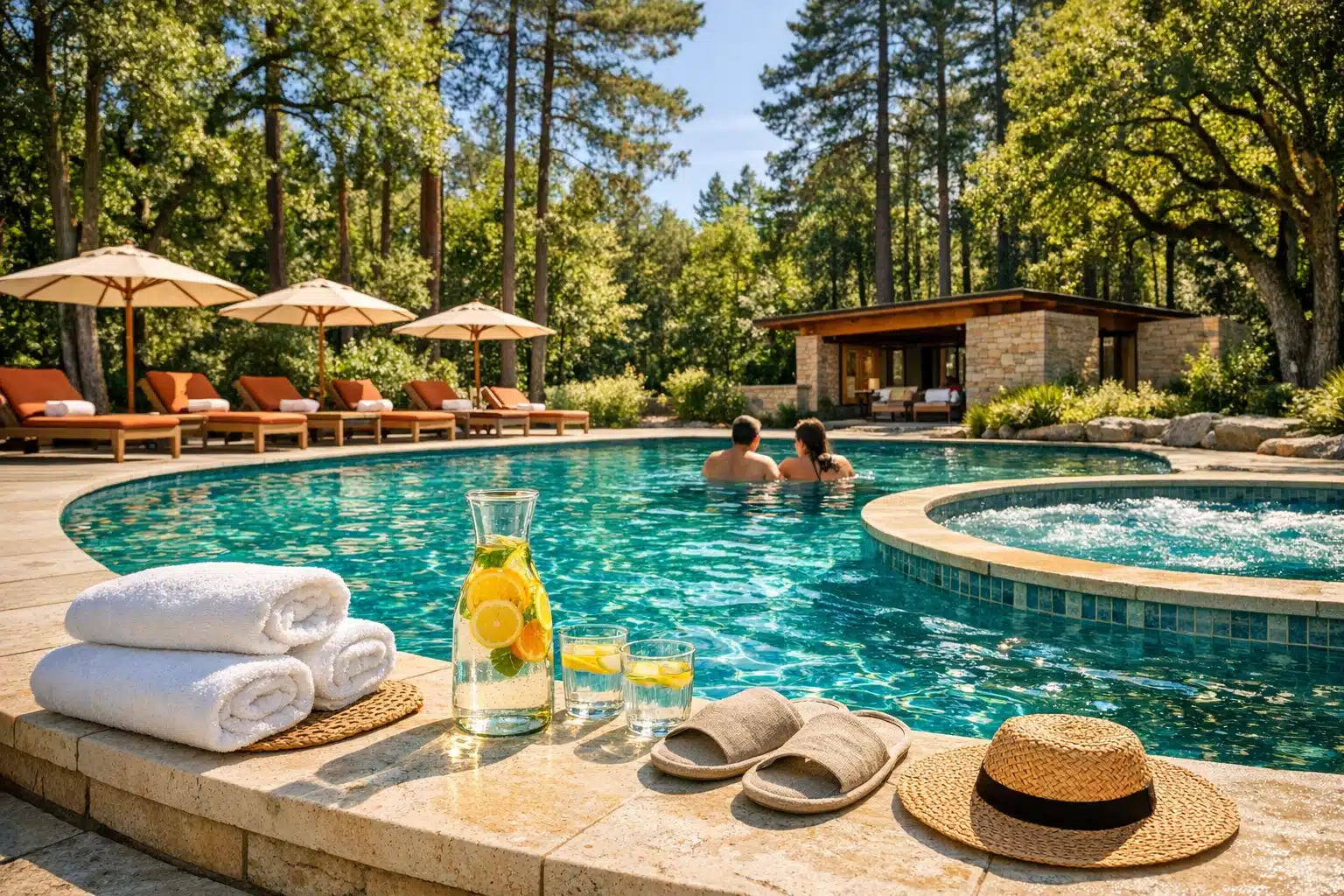
2-Night All-Inclusive Resort Stay in Sherwood Forest
A 2-night all-inclusive resort stay in Sherwood Forest can turn a short weekend into something that feels properly restorative, because meals, downtime, and outdoor access are folded into one easy plan. That matters for travellers who want a real break without spending hours comparing restaurants, driving between attractions, or worrying about daily costs once they arrive. In a setting tied to old oak woodland and Robin Hood folklore, convenience does not have to cancel atmosphere; when the package is chosen well, it can actually free you to enjoy the place more fully.
Outline: What This Sherwood Forest Break Actually Covers
Before getting into rooms, meals, and activities, it helps to frame what a 2-night all-inclusive stay is really designed to do. This kind of trip is not trying to replace a full countryside holiday with a week of sightseeing and long-distance excursions. Instead, it aims to deliver a compact, low-stress escape in roughly 48 hours. That makes the format relevant for people who have limited time, a fixed budget, or a simple goal: switch off for a couple of nights and return home feeling better than when they arrived.
Sherwood Forest is an especially interesting backdrop for that kind of stay. It is not only a woodland area in Nottinghamshire; it also carries a cultural identity shaped by legends, old trees, walking routes, and the long shadow of Robin Hood. Even visitors who are not deeply interested in folklore tend to respond to the atmosphere. There is something instantly calming about tall trunks, filtered light, and paths that seem to invite a slower pace. In travel terms, that sense of place matters. A generic hotel can be pleasant, but a woodland resort gains an extra layer of appeal because the surroundings become part of the experience.
This article is organised to make planning easier and expectations clearer. It moves from broad orientation to practical detail, then into comparisons that help you judge value rather than relying on marketing language alone.
- First, it explains how a short all-inclusive forest break is structured and why it appeals to weekend travellers.
- Next, it looks at accommodation, package inclusions, and the difference between a truly convenient stay and one that only sounds convenient.
- It then explores how dining, wellness, and outdoor activities can fit into two days without making the trip feel rushed.
- After that, it compares all-inclusive packages with room-only hotels, self-catering options, and city breaks.
- Finally, it sums up who is most likely to enjoy this type of stay and when a different travel style may be a better match.
The point of the outline is not to overcomplicate a simple getaway. Quite the opposite: a short break works best when the moving parts are clear. If you know what is usually included, what tends to cost extra, and how much you can reasonably fit into two nights, you are far more likely to choose a package that feels comfortable rather than cramped. A good Sherwood Forest stay should create breathing room, not another schedule to manage.
The Setting, the Accommodation, and What “All-Inclusive” Usually Means
The phrase “all-inclusive” sounds wonderfully decisive, but in practice it can mean different things depending on the property. In a traditional beach resort, travellers may expect unlimited food and drinks from morning to night. In a woodland resort near Sherwood Forest, the model is often more selective. A 2-night package may include accommodation, breakfast, dinner, welcome drinks, access to leisure facilities, and perhaps one or two scheduled activities. Some stays also cover parking, robes for a spa area, or discounts on extras such as bike hire and treatments. The detail matters because two offers with similar prices can deliver very different real-world value.
Accommodation in the Sherwood area usually falls into a few broad types. Some resorts focus on hotel-style rooms with en-suite bathrooms, easy access to dining areas, and a straightforward weekend rhythm. Others lean into a lodge or cabin format, offering more privacy, outdoor seating, and a stronger “forest escape” feeling. A third category blends resort facilities with self-contained units, which can suit families who want more space but still appreciate the convenience of packaged dining.
Each option has trade-offs:
- Hotel-style rooms are often the easiest choice for couples seeking simplicity, shorter walks between facilities, and less time spent unpacking.
- Lodges or cabins usually feel more immersive, especially when windows open onto trees rather than car parks, but they may involve more walking and slightly less central convenience.
- Family-sized units offer flexibility and storage, though the atmosphere can feel less intimate if the trip is meant to be a romantic retreat.
Sherwood Forest itself adds a layer of value that a standard resort cannot manufacture. Waking to birdsong, seeing morning mist hang low between trees, or stepping outside into cool woodland air changes the mood of even the most ordinary breakfast. That sensory difference is not a small detail; it is part of what travellers are paying for. The environment makes short stays feel fuller because the setting starts delivering an experience the moment you arrive.
When reviewing package details, travellers should check several practical points. Are all meals included, or only breakfast and dinner? Are drinks covered fully, partly, or not at all? Is access to the pool, sauna, or spa included, or merely available at an extra fee? Are family activities complimentary, or do they operate on a credit system? These questions may sound basic, but they shape the tone of the trip. A strong all-inclusive package reduces decision fatigue. A weak one leaves guests reaching for their wallets every few hours.
Compared with room-only bookings, a well-built package can feel much smoother. Instead of hunting for dinner after a late arrival, guests already know where they are eating. Instead of calculating every coffee, snack, and evening drink, they can relax into the weekend. In a forest setting, that ease has real value. The less time spent on logistics, the more time there is for the woodland itself to do what it does best: slow everything down.
How Two Days Can Work: Dining, Wellness, and Outdoor Time Without the Rush
A two-night stay lives or dies by pacing. If the package is too empty, guests may feel they overpaid for little more than a room in the woods. If it is too packed, the trip stops feeling restorative and starts to resemble a school timetable. The smartest all-inclusive stays in Sherwood Forest usually land somewhere in the middle, offering structure without turning every hour into an obligation.
A common pattern begins with an afternoon arrival. Guests check in, settle into the room or lodge, and take a first slow walk before dinner. This first evening sets the tone. After the practical business of travel, a good resort should make it easy to switch gears. A simple meal served on site, a drink in a lounge, or a short stroll through lit pathways can do more for mood than an ambitious activity list. One of the advantages of staying in a woodland resort is that the landscape itself performs part of the welcome. You do not need a huge attraction schedule when the setting already encourages calm attention.
Dining is often central to perceived value. On a 2-night package, travellers usually expect at least two breakfasts and two dinners, with lunch handled either through a light menu, a casual café, or optional extras. Quality matters more than abundance alone. A smaller menu made with regional ingredients can feel far more satisfying than a sprawling buffet that is easy to forget by the next week. In a forest destination, menus often work best when they match the mood: hearty breakfasts before a walk, comforting evening dishes, and a dessert or hot drink that suits cooler countryside air.
Activities can vary widely, but they often fall into three broad groups:
- Outdoor options such as guided walks, cycling, archery, nature trails, or seasonal wildlife experiences.
- Leisure and wellness features such as a pool, sauna, treatment rooms, hot tubs, or quiet lounges.
- Family-friendly entertainment including craft sessions, storytelling, games, or low-key evening events.
The trick is choosing enough, not everything. For some guests, the ideal second day includes a good breakfast, a long walk in or around Sherwood Forest, a relaxed lunch, and an hour in a spa or pool before dinner. For others, especially families with children, the better rhythm may involve a morning activity, downtime after lunch, and early evening entertainment. Couples often prefer a looser plan, while multigenerational groups usually benefit from a resort that lets people split off and reconvene later.
Compared with a city weekend, a Sherwood Forest stay tends to be less about ticking off landmarks and more about energy management. The rewards are subtler but often more durable. You remember the light between branches, the silence after dinner, the oddly satisfying walk back to your room under a cool evening sky. A short break does not need to be dramatic to feel worthwhile. In fact, in a woodland resort, the quiet bits are often the ones that stay with you longest.
Value, Comparisons, and the Questions Worth Asking Before You Book
Value is one of the biggest reasons travellers consider an all-inclusive stay, but it is also one of the easiest concepts to misunderstand. Cheapest and best value are not the same thing. A low headline rate can quickly lose its appeal if meals, parking, drinks, leisure access, and activities are added separately. On the other hand, a higher package price can make sense if it removes a long list of small charges and saves planning time. For a 2-night stay, that convenience often matters more than travellers expect, because short breaks leave little room for mistakes.
Compared with self-catering, an all-inclusive resort has a very different appeal. Self-catering can look cheaper on paper, especially for larger groups, but it also involves grocery shopping, cooking, cleaning, and more decision-making. Those tasks may be fine on a week-long trip where routines settle in. On a two-night escape, they can eat into a disproportionate amount of leisure time. If Friday evening is spent unpacking food and Saturday morning begins with kitchen logistics, the break may not feel much like a break at all.
Compared with a room-only hotel, the all-inclusive model is usually stronger for guests who want predictability. You know more of the cost up front. You do not need to search for nearby restaurants after a rainy walk. You have a clearer picture of what the weekend will feel like. Room-only stays remain attractive for travellers who value spontaneity and intend to dine out in nearby towns, but that approach works best when the surrounding area has plenty of convenient options and when guests do not mind a little extra planning.
A city break provides a useful comparison too. Cities often deliver more nightlife, more museums, more shopping, and more restaurant variety. Sherwood Forest offers something else: lower sensory pressure, a stronger connection to landscape, and a travel rhythm that invites rest. If your ideal weekend involves galleries, late bars, and constant movement, a forest resort may feel too quiet. If you are craving fresh air, easier logistics, and slower mornings, the woodland option often wins.
Before booking, ask a few practical questions:
- What meals are included on each day, and are drinks part of the package?
- Are spa, pool, or wellness facilities fully accessible within the price?
- Do activities need advance booking, and do they suit your group’s age range?
- How far is the accommodation from key resort facilities?
- What happens in bad weather if outdoor plans change?
- Are there accessible rooms, step-free routes, or dietary accommodations if needed?
These checks are not glamorous, but they protect the quality of the trip. The best-value package is the one that matches how you actually travel. A couple seeking quiet may not need children’s entertainment. A family with energetic kids may care more about indoor facilities than premium dining. A group of friends may value flexible activity slots over spa extras. Once those priorities are clear, the real strengths of a Sherwood Forest all-inclusive stay become easier to judge, and the booking decision becomes less about advertising language and more about fit.
Conclusion: Who This 2-Night Sherwood Forest Escape Suits Best
A 2-night all-inclusive resort stay in Sherwood Forest suits travellers who want their short break to feel smooth, contained, and genuinely different from everyday life. It works particularly well for couples who need a reset without the effort of planning a complex itinerary. It also appeals to parents who want a manageable family getaway, where meals and at least some activities are already sorted. Busy professionals, friend pairs, and even solo travellers can find value in it too, especially when the main objective is to rest rather than rush from one attraction to the next.
The strongest advantage of this kind of stay is not luxury in the exaggerated sense. It is friction reduction. When accommodation, dining, and leisure options are joined together, the weekend gains a kind of soft structure that many travellers find deeply relaxing. Sherwood Forest enhances that effect because the setting brings history, atmosphere, and a slower visual tempo. Old woodland has a way of changing how time feels. A short walk can seem longer in the best possible way, and an ordinary cup of tea tastes strangely better after an hour outdoors in cool air.
That said, this format is not ideal for everyone. Travellers who prefer maximum independence, highly local dining, or extensive sightseeing may feel constrained by a resort-based stay. The same is true for visitors who want urban energy, late-night options, or a long list of separate attractions. In those cases, a room-only hotel or a city weekend may be a better fit. The point is not that all-inclusive is automatically superior; it is that it solves a specific travel problem very well. It makes a brief break feel coherent.
For the target audience, the question is simple: do you want two days of constant choice, or two days in which most of the decisions have already been made for you? If the second option sounds appealing, Sherwood Forest is a strong setting for it. The area offers nature, atmosphere, and enough legend to make the trip memorable without demanding a complicated schedule. Choose a package with clear inclusions, realistic timings, and facilities that match your travel style, and a 2-night stay can feel far more substantial than the calendar suggests.
In the end, this is the charm of a short woodland escape. You arrive with a bag, a little curiosity, and perhaps more tiredness than you admitted when you booked. You leave with cleaner air in your lungs, fewer tabs open in your mind, and the pleasant sense that a weekend was not wasted trying to organise itself. For many modern travellers, that is not a small benefit at all; it is the whole reason to go.