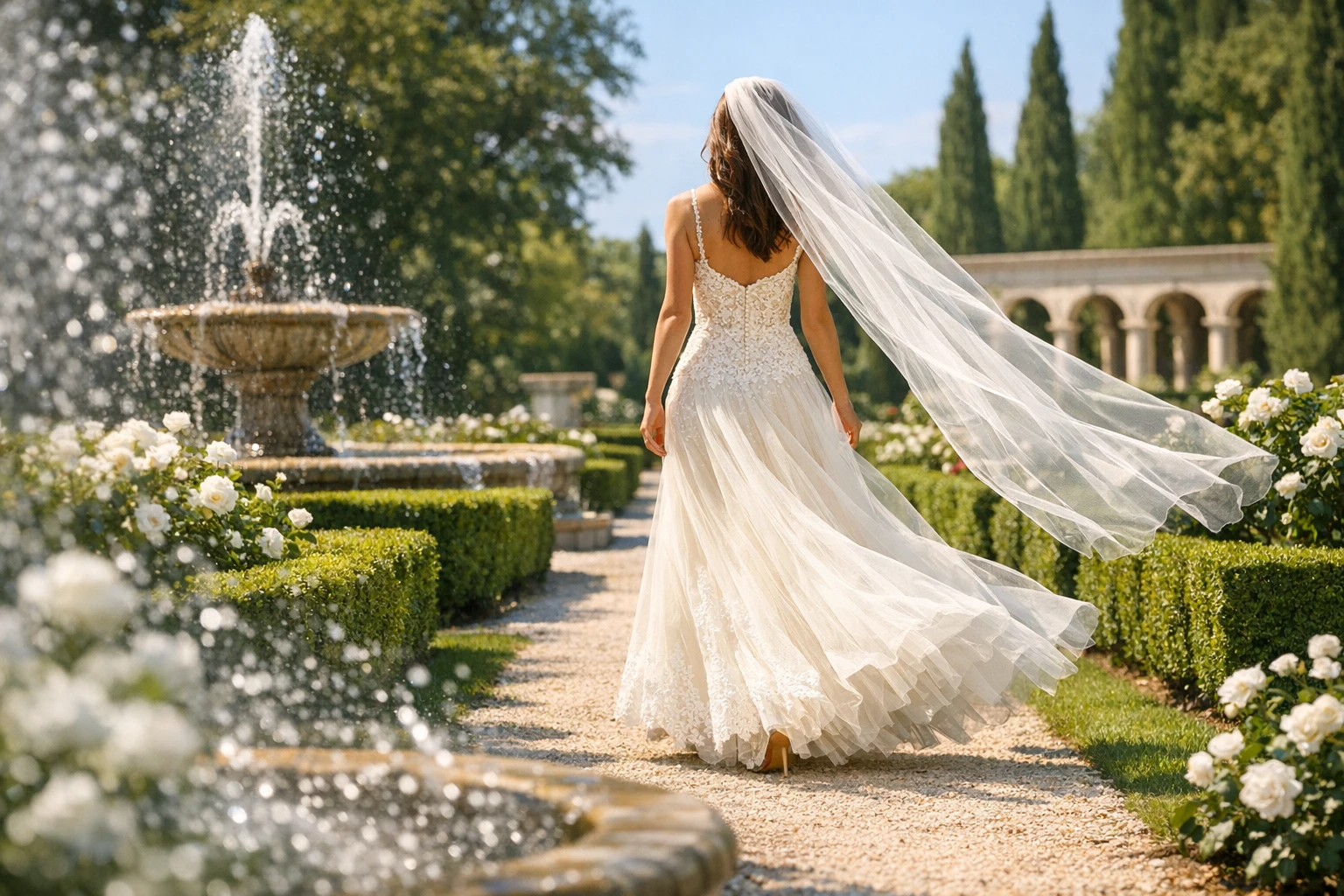
Corseted Drop-Waist Wedding Gowns: A Guide to the Timeless Bridal Trend
Corseted drop-waist wedding gowns have moved from archival inspiration to modern bridal wish lists because they offer something many silhouettes do not: drama with discipline. The fitted bodice shapes the torso, while the lowered waistline lengthens the frame and changes the rhythm of the skirt. Brides drawn to fashion history, red-carpet glamour, or quietly architectural design often find this style especially compelling. Understanding its structure, comfort, and styling options can make the difference between admiring the look and choosing it with confidence.
Article outline:
- What defines a corseted drop-waist gown and why the look keeps returning.
- How modern corsetry works, from boning and support to comfort and alterations.
- Which fabrics, skirt shapes, and design details change the dress from regal to minimal.
- How to assess fit, proportion, and styling for different preferences and body lines.
- What to know before buying, budgeting, and tailoring the gown for the wedding day.
What Makes a Corseted Drop-Waist Wedding Gown Distinct
A corseted drop-waist wedding gown blends two powerful design ideas into one silhouette. First, the corseted bodice introduces visible or hidden structure through boning, seaming, and close shaping around the torso. Second, the drop waist lowers the point where the bodice meets the skirt, usually below the natural waist and sometimes closer to the upper hip. That simple shift changes the whole visual story of a dress. Instead of ending at the narrowest point of the waist, the bodice continues farther down, creating a longer vertical line before the skirt opens. The effect can feel stately, cinematic, and unusually polished.
This is not a new invention. Drop-waist fashion appeared prominently in the 1920s, when day and evening dresses often sat lower on the body for a lean, modern look. Bridal fashion later reinterpreted the idea in more structured forms, especially through gowns that combined fitted bodices with fuller skirts. Modern versions borrow from several eras at once. You might see a gown with a softly romantic lace overlay, but also the clean internal engineering associated with contemporary couture. That mix of old and new is one reason the trend feels so relevant now. Brides are increasingly interested in dresses that photograph beautifully, feel intentional from every angle, and offer a shape that stands apart from standard A-line or ball gown formulas.
It also helps to distinguish a drop waist from nearby silhouettes that are often confused with it. A natural-waist gown places the seam at the narrowest point of the torso, which is the most familiar bridal cut. A basque waist, by contrast, dips into a V or U shape at the center front, sometimes without extending as low around the full torso. A true drop waist usually travels lower more consistently, visually extending the bodice before the skirt begins. Compared with a fit-and-flare dress, it can feel less overtly body-conscious in the hips, depending on how the skirt is cut. Compared with a princess-line gown, it often appears more deliberate and architectural.
The lasting appeal lies in balance. A corseted drop-waist gown can look regal without becoming stiff, romantic without becoming sugary, and dramatic without relying on heavy ornament. It gives the body a sense of placement, almost like the dress is sketching a confident line down the frame before allowing volume, movement, or softness to enter. For brides who want a silhouette with presence, that is a compelling proposition.
The Corseted Bodice: Structure, Support, and Real-World Comfort
The word corseted can sound intimidating, especially to brides who imagine rigid historical garments that restrict breathing or movement. In modern bridalwear, however, corsetry usually refers to internal support systems designed to shape, stabilize, and anchor the dress. A well-made corseted drop-waist gown typically includes boning, carefully placed seams, interlining, and sometimes a waist stay, which is an inner band that helps keep the gown secure. Some gowns feature visible corset details, such as exposed boning channels or lace-up backs, while others hide the engineering beneath smooth satin, lace, or crepe.
The biggest advantage of this construction is control. When the bodice is properly fitted, it distributes support through the torso rather than relying entirely on straps or constant readjustment. That can be especially helpful in strapless or off-the-shoulder designs. Brides often describe a good corseted gown as feeling held rather than squeezed. The difference matters. Strong structure can improve posture, keep the neckline in place during photos and dancing, and create a cleaner line under delicate fabrics. It may also reduce the need for heavy shapewear, depending on the wearer’s comfort preferences.
Still, comfort depends on precision, not just design. Because the drop-waist seam extends lower on the body, the gown must work with the bride’s proportions when standing, sitting, and walking. If the seam hits too low, it can dig into the hips or create stiffness at the wrong point. If the boning is too long or too hard for the wearer’s frame, the dress may feel unforgiving by the end of the evening. This is why alterations are not a finishing touch here; they are central to success. Even a beautiful sample gown can look awkward if the torso length is wrong.
When evaluating construction at a fitting, it helps to look for a few practical details:
- Boning that supports the torso without poking at the ribs or hips.
- A secure closure system, whether zipper, buttons, or lacing.
- An inner waist stay for extra anchoring in strapless designs.
- Cups or bust shaping that match the bride’s actual support needs.
- Enough flexibility to sit, turn, and take a full breath comfortably.
A corseted drop-waist gown is a little like good architecture: the beauty you notice first depends on the structure you do not immediately see. When the build is thoughtful, the dress can feel elegant and calm rather than demanding. Brides who try one on and instantly stand taller often understand the appeal in seconds.
Fabrics, Skirts, and Design Details That Change the Mood
One of the most interesting things about the corseted drop-waist silhouette is how dramatically its personality shifts with fabric. The shape may stay similar, but the mood can travel from grand ballroom to modern gallery with a simple material change. Mikado and duchess satin, for example, give the gown clarity and body. Their crispness emphasizes seam lines, highlights the corseted structure, and produces a polished finish that feels formal and composed. On the other hand, tulle, organza, and soft layered lace create a gentler transition from bodice to skirt, adding movement and a more romantic atmosphere.
Skirt design matters just as much. A full skirt attached to a dropped bodice can create an almost storybook effect, especially when paired with a cathedral veil or long train. A slimmer skirt, however, turns the same silhouette sleek and fashion-forward. Some gowns flare softly from the hips, while others delay volume until lower down, creating a cleaner line through the midsection. This is where the drop waist becomes especially expressive. It can suggest old-Hollywood glamour, Belle Epoque elegance, or minimalist sophistication depending on how the skirt releases and how much surface detail is involved.
Necklines and sleeve treatments also steer the visual message. A sweetheart neckline tends to reinforce softness and traditional romance. A straight neckline can make the gown feel sharper and more contemporary. Off-the-shoulder draping brings a sense of softness across the collarbone, while long fitted sleeves can make the whole look more stately. If the gown has visible boning, exposed corset channels, or a semi-sheer bodice, it usually reads more directional and editorial. If it has lace appliqué, covered buttons, and a flowing train, it leans more classic.
For brides comparing options, these combinations often create very different results:
- Mikado plus a structured skirt: crisp, formal, sculptural.
- Lace over corsetry plus soft tulle: romantic, textured, traditional.
- Crepe with minimal seams: modern, clean, understated.
- Beading or pearls on a long dropped bodice: glamorous, luminous, evening-like.
This is why trying on more than one version of the silhouette is so useful. A bride may say she dislikes drop-waist gowns after seeing a heavily embellished style online, then fall for a sleek satin version in person. Another bride may expect to want clean lines and instead discover that layered lace gives the structure a softer heartbeat. The silhouette sets the stage, but fabric and detail write the script.
Fit, Proportion, and Styling for Different Brides and Wedding Settings
No wedding dress silhouette is universally flattering in a rigid, one-size-fits-all way, and that includes the corseted drop-waist gown. What makes it successful is proportion. Because the bodice extends lower than usual, the gown changes how the eye reads the torso, hips, and overall height. For some brides, that means an elegant lengthening effect. For others, it means the need for careful adjustment so the seam lands in the right place. A few centimeters can determine whether the look feels majestic or simply off.
Taller brides often find this silhouette especially easy to wear because the longer bodice complements their vertical line naturally. That said, petite brides should not write it off. A clean, less bulky drop-waist gown with a controlled skirt can create length rather than overwhelm the frame, especially when the skirt does not begin too low and the fabric is not excessively heavy. Brides with fuller busts may appreciate the anchoring effect of a structured bodice, while brides with curvier hips should pay close attention to where the skirt starts to open. The goal is not to hide or correct the body. It is to make the dress align with it.
Styling should support the gown’s built-in drama rather than compete with it. Because the bodice and waistline already create a strong focal point, accessories often work best when they are selective instead of crowded. Think of the whole look as a composition, not a checklist.
Helpful styling approaches include:
- Choosing a veil length that matches the gown’s formality and train.
- Keeping jewelry focused on one area, such as earrings or a necklace, not both at full intensity.
- Selecting shoes that support posture, since structured gowns are less forgiving of slouching or unstable footing.
- Using hair to balance the neckline; soft updos suit off-the-shoulder styles, while sleek hair can sharpen minimalist gowns.
Venue and schedule also matter. A cathedral ceremony, formal estate wedding, or black-tie evening reception naturally suits the silhouette’s sense of occasion. For a garden or destination wedding, the same shape can still work, but fabric choice becomes crucial. Lighter construction, less train weight, and breathable linings make a significant difference. Always test the dress in motion. Walk, sit, turn, and raise your arms. The most photogenic gown in the fitting room is not necessarily the easiest to wear for ten hours. A great bridal look should feel memorable in pictures, yes, but it should also let you hug, laugh, dance, and exist inside the day without negotiation.
Choosing With Confidence: Shopping, Alterations, and Final Advice for Brides
Shopping for a corseted drop-waist wedding gown is partly an aesthetic decision and partly a technical one. That makes preparation especially useful. Before visiting boutiques, save images of the specific elements you like rather than only broad inspiration shots. You may love the lowered waistline, but dislike heavy beading. You may want visible corsetry, but not a dramatic skirt. Those distinctions help consultants guide you toward the right dresses faster. They also prevent a common problem in bridal shopping: falling for a vague mood while missing the details that actually create it.
Budgeting deserves honest attention too. Structured gowns often involve more internal workmanship than simpler dresses, and extensive alterations can add meaningfully to the final cost. Hemming, bust support adjustments, torso refinement, and changes around the hip line all require skill. If a gown needs major reconstruction to place the drop waist correctly, the alteration bill may rise quickly. That does not mean the dress is out of reach; it simply means the total investment should be considered early, not after emotions are already attached.
A useful shopping and fitting checklist looks like this:
- Ask where the waist seam is intended to sit and whether it can be adjusted.
- Confirm how the gown is supported internally and whether a waist stay is included.
- Practice sitting before committing, especially if the bodice is very long.
- Bring the shoes or at least the heel height you expect to wear.
- Schedule enough time for multiple fittings, since structured gowns reward precision.
It is also wise to think beyond the ceremony. Will you bustle the train for the reception? Can you comfortably sit through dinner? Do you want a second look for dancing, or does this gown need to carry the whole day? Practical questions are not unromantic. They are what protect the romance from being interrupted by discomfort.
For brides considering this trend, the final takeaway is simple: choose the silhouette if you love what it does for your presence, not only because it is currently visible in bridal fashion. A corseted drop-waist gown is at its best when it feels like an extension of your taste, your proportions, and your wedding atmosphere. If you want a dress that brings structure, elegance, and a whisper of theatricality without losing timeless appeal, this style can be a remarkable choice. When fitted well, it does more than flatter. It gives the wearer a sense of poise that is hard to fake and even harder to forget.