3-Night Cruise from Dunkirk to Amsterdam: Itinerary and Tips
A 3-night cruise from Dunkirk to Amsterdam turns a simple long weekend into a compact travel story, with one departure, one cabin, and several changing horizons. It matters because many travelers want the comfort of a cruise without using a full week of annual leave or managing several hotel check-ins. This route blends the easy rhythm of shipboard travel with the cultural pull of Amsterdam and the maritime mood of northern Europe. For first-time cruisers and seasoned city-break planners alike, it is a practical way to sample life at sea while still arriving somewhere memorable.
Outline
This article is organized to help readers understand the route before booking and to travel with fewer surprises once the trip begins.
- Why a 3-night Dunkirk to Amsterdam cruise is worth considering
- How the itinerary usually works from embarkation to disembarkation
- What to see and do in Dunkirk and Amsterdam during a short schedule
- How to plan your budget, choose a cabin, and pack efficiently
- Practical tips for smoother boarding, better timing, and smarter sightseeing
1. Why Choose a 3-Night Cruise from Dunkirk to Amsterdam?
A short cruise on this route works well because it solves a common travel dilemma: people want a break that feels distinct from everyday life, but they do not always have the time or appetite for a long voyage. A 3-night sailing offers a middle ground. You unpack once, enjoy the rituals of being at sea, and still arrive in a major European city with enough energy to explore it. Compared with a land-based weekend that involves trains, station changes, hotel check-in, and constant luggage awareness, the cruise format can feel strikingly simple. The ship becomes both transport and accommodation, which is part of the appeal.
This type of itinerary is often marketed as a mini-cruise or short city-break cruise rather than a classic week-long voyage. That distinction matters. The focus is usually on convenience, atmosphere, and a manageable taste of cruise life rather than a long list of ports. For first-time cruisers, that is useful. You can test whether you enjoy shipboard dining, cabin life, evening entertainment, and the sensation of overnight sailing without committing to a longer itinerary. For experienced travelers, the route can be a compact reset: a few days away, a change of air, and a destination with immediate visual payoff. Amsterdam delivers that quickly, with canals, historic facades, museums, and walkable neighborhoods.
The departure point is another advantage. Dunkirk is a working port city with maritime character and practical access from northern France and nearby Belgium. For travelers based in this part of Europe, it can be more convenient than departing from larger and busier cruise hubs. Amsterdam, meanwhile, is one of those cities that seems to reveal itself in layers. Even on a short visit, it offers enough texture to feel rewarding. The route between the two adds its own quiet charm. There is something cinematic about leaving the French coast behind, watching the grey-blue North Sea shift under changing light, and waking closer to the Netherlands.
It also helps to compare this cruise with two alternatives:
- A ferry crossing is usually more transport-focused and less experience-led.
- A full cruise demands more time, planning, and often a larger budget.
- A standard city break offers more time ashore, but less of the restful, all-in-one rhythm many travelers want.
Season matters too. Spring and early autumn often bring comfortable sightseeing weather and fewer extremes in crowd levels than peak summer. Summer offers longer daylight hours, which can make arrival and city exploration feel especially generous. Winter departures can be atmospheric, but expect colder winds and shorter days. In every case, the real strength of this route is balance: enough sea time to feel transported, and enough city time to make the destination count.
2. Typical Itinerary: What the 3 Nights Usually Look Like
Exact schedules vary by operator, ship, season, and port availability, so it is wise to read the booking details carefully. Still, most 3-night cruises from Dunkirk to Amsterdam follow a familiar rhythm. Think of it less as a frantic checklist and more as a sequence of transitions: embarkation, settling in, a period of sailing, an arrival that opens into city time, and a final morning of disembarkation. That structure is one reason short cruises feel accessible even to travelers who do not normally enjoy tightly planned holidays.
A common version of the itinerary looks like this:
- Day 1: Arrival in Dunkirk, boarding, safety briefing, departure, dinner, and an evening onboard.
- Day 2: Time at sea or coastal sailing, with meals, ship activities, and rest.
- Day 3: Arrival in or near Amsterdam, followed by independent sightseeing or an organized excursion.
- Day 4: Breakfast, disembarkation, and return travel or optional onward stay.
Embarkation day is usually more structured than glamorous, but it sets the tone for the trip. You arrive at the terminal, check documents, hand over luggage if that is part of the process, and move through security. Boarding windows often begin several hours before sailing, so punctuality matters. Once onboard, many travelers do the same small sequence almost instinctively: find the cabin, explore the decks, check dining times, and step outside for sail-away. That moment is worth protecting from distraction. Leaving port, with gulls sweeping across the water and the coast receding in slow motion, is part of why even short cruises can feel larger than their duration.
The middle part of the cruise usually provides the most “ship time.” This is where the pace settles. Depending on the vessel, you may find lounges, restaurants, bars, simple entertainment, a shop, or wellness facilities. Short cruises do not always offer the scale of a large ocean liner, but that can be a virtue. The experience is often more straightforward and less overwhelming. If the sea is calm, the day can feel wonderfully suspended, like time has agreed to loosen its grip. If conditions are rougher, the ship will remind you very clearly that the North Sea is a real body of water, not merely a scenic backdrop.
Arrival in Amsterdam is the highlight for many passengers, but it helps to understand that “Amsterdam” in cruise terms can mean slightly different practical setups. Some ships berth conveniently near the city center, while others may use nearby facilities with transfers. That difference affects how much sightseeing time you actually have. A centrally located berth gives you faster access to canals, museums, and neighborhoods on foot or by tram. A transfer-based arrival requires more planning and tighter time awareness. On the final morning, disembarkation tends to be efficient rather than leisurely, so packing the night before and reviewing onward travel details will make the end of the trip much smoother.
3. What to See and Do in Dunkirk and Amsterdam on a Short Cruise
Because this is a brief itinerary, port time has to be used selectively. The smartest travelers do not try to “do Amsterdam” in a single sweep. Instead, they choose a style of visit. Before departure, Dunkirk itself deserves at least a little attention if your schedule allows. The city is often known first for its wartime history, especially Operation Dynamo in 1940, but it is more than a historical footnote. There is a broad beach, a working port atmosphere, and a practical northern-French character that can be quietly appealing. If you arrive a few hours before boarding, a walk along the seafront or a visit to a local café can ease you into travel mode better than rushing straight to the terminal.
For history-minded visitors, Dunkirk offers meaningful context before a sea journey. The Dunkirk 1940 Museum is often the most relevant stop for travelers interested in military history and evacuation narratives. If your priority is mood rather than museums, simply spending time near the waterfront can be enough. Port cities have their own language: cranes, ferries, salt in the air, and the sense that every departure contains a small promise. On a short cruise, that atmosphere matters because it shapes the beginning of the trip.
Amsterdam requires more strategic thinking. The city is compact enough to feel manageable, but dense enough to tempt you into overplanning. A good approach is to pick one of three styles:
- Museum-focused: ideal if you want the Rijksmuseum, Van Gogh Museum, or Anne Frank House area to anchor your day.
- Canal-and-neighborhood-focused: better if you prefer walking, photos, cafés, and a more fluid pace.
- Highlights-focused: suitable for first-time visitors who want a short canal cruise, Dam Square, and a few signature streets.
The Rijksmuseum is one of the strongest choices if you want a high-value cultural stop. It houses thousands of works on display and gives visitors a broad introduction to Dutch art and history. The Van Gogh Museum is more concentrated and easier to pair with a shorter visit. The Anne Frank House is deeply significant, but timed entry and strong demand mean it usually requires advance planning. If your ship schedule is tight, a canal cruise can be the most efficient overview. It shows you the city from the water, explains the canal ring, and reduces the amount of walking needed in a limited timeframe.
Independent exploration versus an organized excursion is another useful comparison. Booking through the cruise line can be more expensive, but it often reduces anxiety about timing and transport. Exploring on your own is usually cheaper and more flexible, especially if your berth is central and you are comfortable using maps and trams. One caution: Amsterdam is famously bike-friendly, and visitors unused to local cycling traffic can drift into bike lanes without noticing. Keep your awareness sharp, especially near bridges, narrow streets, and major intersections. In a short visit, smooth movement matters more than squeezing in one extra stop. The best shore day is rarely the busiest one; it is the one that lets the city register properly.
4. Budget, Cabin Choice, and Packing for a Better Short Cruise
A 3-night cruise can look affordable at first glance, but the real cost depends on what is included and what sits outside the base fare. That is not a warning so much as an invitation to read carefully. Some bookings include standard meals and your cabin but leave drinks, specialty dining, port transfers, parking, Wi-Fi, and excursions as extras. Others package more into the headline price. When comparing deals, it helps to ignore the first number for a moment and instead build a realistic trip total. That gives you a fairer comparison between operators and travel dates.
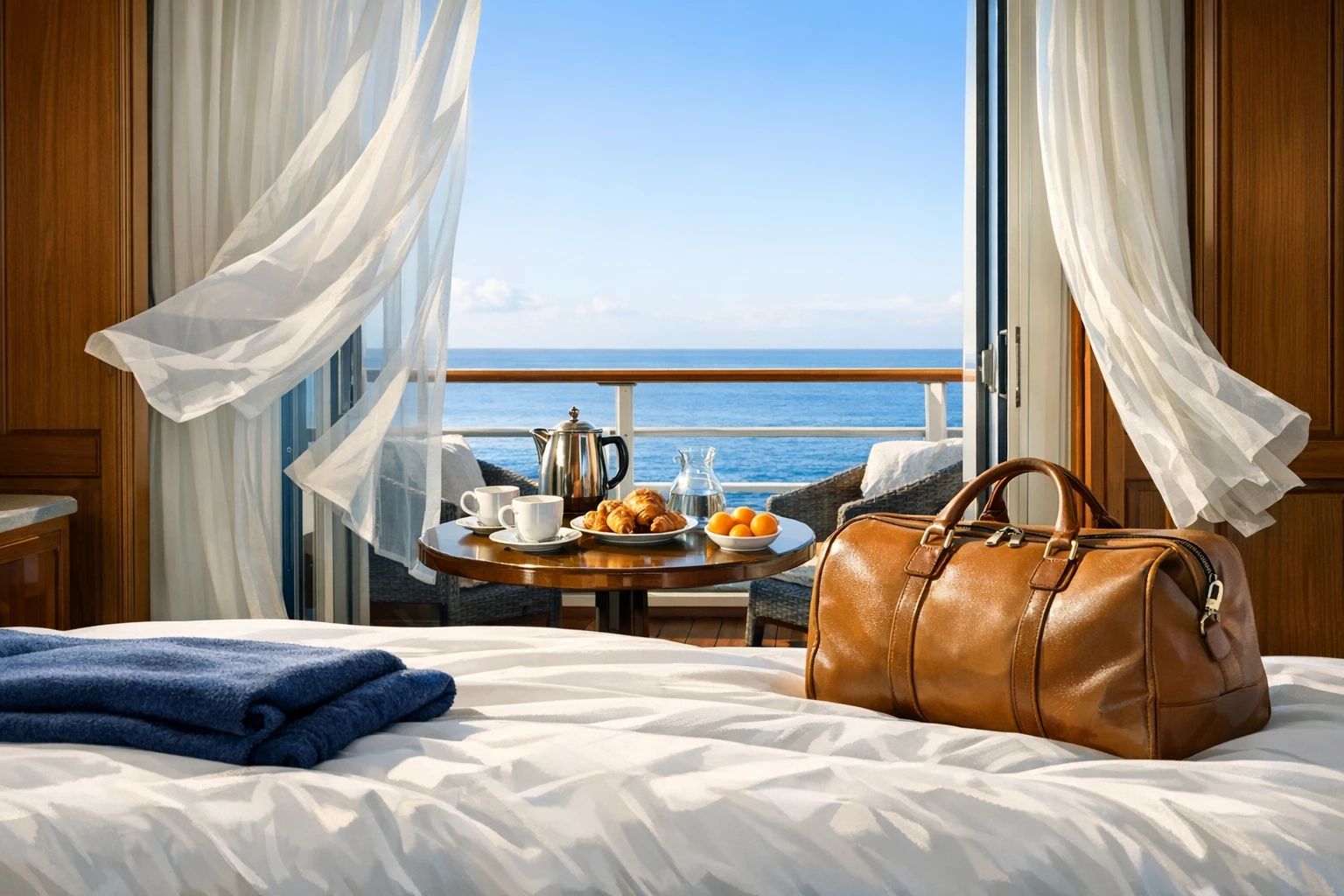
Cabin choice matters even on a short itinerary. An inside cabin is usually the most budget-friendly option and can be perfectly adequate if you mainly want a place to sleep and shower. On a 3-night cruise, many travelers find that a window or sea-view cabin adds disproportionate value because the trip is brief and the passing scenery becomes part of the experience. Seeing the morning light over the water or the approach toward the Dutch coast can make the voyage feel fuller. A balcony can be lovely, but on a short northern sailing it is not always essential, especially outside warmer months. If budget is limited, it is often smarter to choose a better-timed sailing or a more convenient departure than to stretch for the most expensive cabin category.
Beyond the cabin, these are the budget lines people most often underestimate:
- Transport to and from Dunkirk, including fuel, parking, or rail connections
- Drinks packages or individual bar purchases onboard
- Museum tickets and canal tours in Amsterdam
- Travel insurance and document-related costs
- Small daily expenses such as coffee, snacks, or local transport ashore
Packing for a short cruise is about restraint. You do not need a large suitcase for three nights unless you are adding a longer stay before or after the sailing. The more useful goal is to pack intelligently for variable weather. Northern European conditions can change quickly, and even in warmer months the wind on deck may feel cooler than expected. A light waterproof layer, comfortable walking shoes, and clothing that works in layers will serve you better than overpacking formalwear. Unless your operator specifically emphasizes dress codes, most short cruises now lean toward smart-casual practicality.
A simple packing checklist often covers almost everything you need:
- Passport or accepted travel ID, plus booking documents
- Medication and a small seasickness remedy if you are prone to motion sensitivity
- A compact day bag for Amsterdam
- Phone charger or power bank
- A reusable water bottle and weather-appropriate outer layer
If you are deciding when to book, flexibility can help. Sailings around school holidays, major public holidays, and peak summer dates may command stronger prices because demand rises. Mid-season departures can offer better value and a calmer overall feel. In short, the best budget strategy is not merely chasing the lowest fare. It is matching the cruise format to your real habits, so that you pay for what you will genuinely use and skip what only looks good on the booking page.
5. Practical Tips for Boarding, Onboard Comfort, and Making the Most of Amsterdam
The difference between a pleasant mini-cruise and a slightly chaotic one often comes down to small practical decisions. Start with timing. Arriving at the port too late turns a simple boarding process into a stressful dash, while arriving absurdly early can leave you waiting without purpose. Aim for the check-in window suggested by your operator and keep documents easy to reach. If you are traveling from another city on the same day, build in a buffer for traffic, rail delays, or parking queues. A short cruise has little margin for missed connections. Losing even an hour at the start can make the whole trip feel rushed.
Document rules deserve attention even when the journey seems straightforward. Because the route links France and the Netherlands, some travelers assume border formalities are minimal and therefore unimportant. In practice, requirements depend on nationality, residence status, and the cruise line’s own boarding policies. Always check what identification is accepted and whether any additional pre-travel information must be submitted before departure. This is particularly important for families, non-EU travelers, and anyone sailing under a different surname than the one used in booking records.
Comfort onboard is another area where simple habits pay off. If you are prone to seasickness, do not wait until you feel unwell to act. Bring your preferred remedy, choose lighter meals if the sea is rough, stay hydrated, and spend time where the ship’s motion feels gentler. Some travelers feel better midship and lower down, while others prefer fresh air on deck. The North Sea can be calm, but it can also be lively, especially outside settled summer periods. Accepting that possibility rather than fearing it tends to help. A ship in motion is part of the experience, not necessarily a problem.
When you reach Amsterdam, discipline becomes useful. It is easy to lose time in a beautiful city. Bridges invite photos, side streets draw you away, and canals make every detour look justified. To avoid last-minute panic, decide in advance what kind of day you want. If you booked a museum ticket, plan the route there first. If you want a canal cruise, choose a departure point near your top walking area. If food matters, shortlist one or two neighborhoods rather than hoping to “find something later.” The city rewards wandering, but not endlessly wandering when you have a fixed return time.
These practical habits can make the day run more smoothly:
- Download offline maps before leaving the ship.
- Reserve major museums ahead of time whenever possible.
- Note the all-aboard time in more than one place, such as your phone and a paper note.
- Carry a bank card or payment method that works easily in the Netherlands.
- Leave a little unscheduled time for the city to surprise you.
Finally, think about what success looks like on a short cruise. It is not covering every district or treating the ship like a race course. It is returning home feeling that the trip had shape, ease, and a few memorable scenes: the first evening departure, breakfast with a moving horizon, the geometry of Amsterdam’s canals, and that pleasant tiredness that says the time away was brief but well used.
Conclusion: Is This Mini-Cruise Right for You?
If you want a travel format that feels organized without being rigid, a 3-night cruise from Dunkirk to Amsterdam makes a strong case for itself. It is especially well suited to first-time cruisers, couples planning a short escape, and busy travelers who want the pleasure of a real departure without building a full-scale holiday around it. The key is to treat the itinerary honestly: it is short, so priorities matter. Choose a cabin that matches your habits, plan Amsterdam with a light but clear hand, and allow the sea journey to be part of the reward rather than just the transfer. For readers looking for a practical, atmospheric, and manageable European break, this route offers exactly that balance.