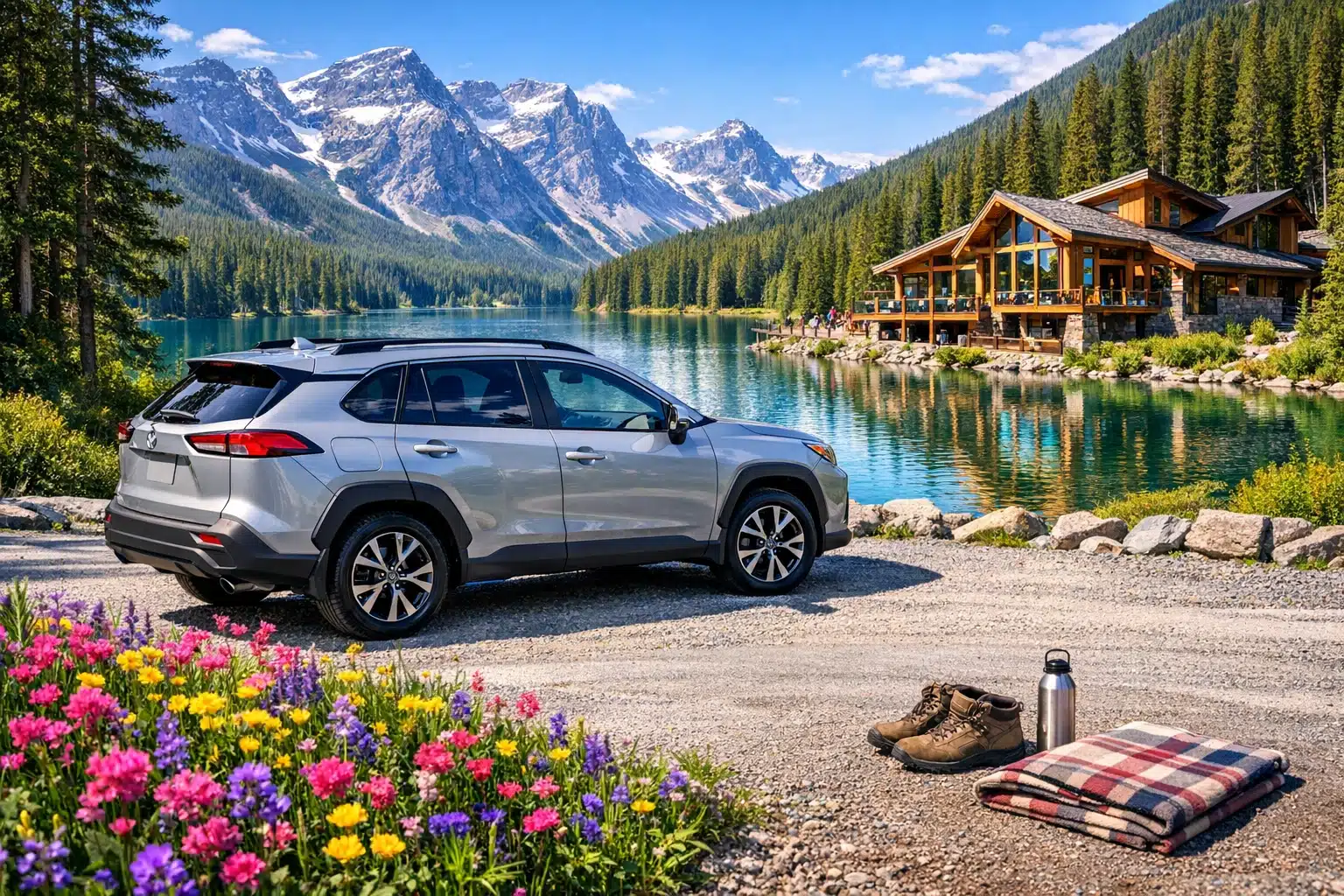
2026 Toyota RAV4 Hybrid Price: Cost, Features, and Value Overview
The 2026 Toyota RAV4 Hybrid sits at the center of one of the busiest parts of the auto market, where buyers want SUV practicality without surrendering fuel economy or everyday comfort. Price matters here because a hybrid’s value is never just the sticker on the window; it is the mix of purchase cost, equipment, efficiency, resale strength, and long-term ownership expense. For shoppers comparing trims, rivals, and budgets, a clear cost breakdown turns curiosity into a smarter shortlist.
Because final pricing can vary by market, release timing, destination charges, dealer practices, and factory options, the discussion below is best read as a practical U.S.-focused overview rather than a universal quote sheet. Where Toyota has not formally published every figure, this article uses recent model-year patterns and segment norms to frame realistic expectations without treating estimates as fixed facts.
Outline
- How the 2026 Toyota RAV4 Hybrid price is likely to be structured across trims
- Which features and equipment most directly influence value
- How fuel savings, maintenance, insurance, and resale affect ownership cost
- How the RAV4 Hybrid compares with rival compact hybrid SUVs
- Which type of buyer gets the strongest return from the different trims
1. Expected 2026 Toyota RAV4 Hybrid Pricing and What Buyers Should Anticipate
The first question most shoppers ask is also the most obvious one: how much will the 2026 Toyota RAV4 Hybrid cost? The careful answer is that official pricing depends on Toyota’s final trim structure, any redesign-related changes, and regional charges. Still, buyers do not need to walk in blind. Based on recent RAV4 Hybrid positioning in the compact SUV market, it is reasonable to expect the 2026 model to remain in the low-to-mid $30,000 range for the entry point in the U.S., with mid-level trims climbing into the upper $30,000s and higher-spec versions reaching the low $40,000s before taxes, registration, and financing costs.
That range makes sense because the RAV4 Hybrid has traditionally occupied a sweet spot rather than an extreme edge. It is not usually the cheapest hybrid SUV on paper, but it often aims to offer a strong blend of standard all-wheel drive, useful safety technology, fuel efficiency, and brand reputation. In plain language, Toyota rarely tries to win the segment by throwing out a bargain-bin number. Instead, it tries to make the monthly payment feel justified.
For buyers who want a more practical way to think about price, it helps to separate the total into layers:
- Base MSRP, which is the starting figure before freight and fees
- Destination charge, which can add well over $1,000 on many new vehicles
- Factory options and packages, such as larger screens, panoramic roofs, premium audio, or upgraded interior materials
- Dealer-installed accessories, which may include mats, protection packages, or roof equipment
- Taxes, title, registration, and documentation fees
Once those layers are added, a vehicle that appears to start in the low $30,000s can easily move several thousand dollars higher. That is where shoppers sometimes feel surprised, but the math is less mysterious when each piece is visible. A modestly equipped hybrid trim may land comfortably below a premium trim while preserving the same core powertrain and much of the same everyday usefulness.
Another important point is the redesign factor. If the 2026 RAV4 Hybrid arrives with major styling changes, upgraded cabin materials, a revised infotainment system, or more advanced driver assistance features, a price increase would be unsurprising. Automakers rarely rebuild a popular model and leave the numbers untouched. Even a small year-over-year bump can matter in a segment where customers compare every thousand dollars like detectives studying clues under a desk lamp.
For that reason, the smartest way to approach the 2026 RAV4 Hybrid price is not to chase one headline number. Instead, think in terms of realistic trim bands and final transaction cost. That approach gives buyers a better foundation for comparison, negotiation, and deciding whether the hybrid premium still makes sense for their budget.
2. Features, Trim Levels, and Why the Price Can Rise Faster Than Expected
Price becomes easier to understand once you connect it to equipment. On a vehicle like the 2026 Toyota RAV4 Hybrid, much of the value story comes from how Toyota usually bundles comfort, convenience, safety, and technology as buyers move up the trim ladder. The powertrain may stay fundamentally similar across most versions, but the ownership experience can feel quite different depending on the trim you choose.
In broad terms, entry-level hybrid trims are likely to focus on the essentials. That usually means the hybrid system itself, automatic transmission behavior tuned for efficiency, standard all-wheel drive on many configurations, a suite of active safety features, and a cabin that is practical more than plush. This is the version for shoppers who want the heart of the package without paying for every gadget in the catalog. For many families, commuters, and budget-conscious buyers, this may be the smartest buy in the lineup.
Move into mid-range trims, and the cabin typically becomes a more welcoming place to spend time. This is where you often see upgrades such as:
- Larger infotainment displays
- Wireless phone integration and charging
- Improved seat materials and power adjustments
- Additional USB ports and convenience storage features
- Enhanced wheel designs and exterior styling details
- Comfort features like heated seats or a powered liftgate
These additions sound modest in isolation, yet together they can significantly change how the vehicle feels day to day. The RAV4 Hybrid is the kind of SUV people use for school runs, grocery trips, road trips, late-night airport pickups, and the ordinary errands that quietly consume life. When you interact with those features every day, even small upgrades can feel more meaningful than they did on a spec sheet.
Higher trims often add the equipment that pushes the price toward the premium edge of the mainstream segment. Think panoramic roof options, digital displays, upgraded audio, more advanced parking aids, larger wheels, premium interior accents, and sometimes extra convenience technology. These versions are attractive, but they also force a value question: are you buying a better hybrid SUV, or simply a more luxurious one? The distinction matters because the underlying fuel-saving advantage may remain similar across trims, while the monthly payment rises noticeably.
Safety is another area where value deserves a close look. Toyota has built much of its recent reputation around bundling driver-assistance technology widely. If the 2026 model continues that pattern, even lower trims may include features such as forward collision mitigation, lane support systems, adaptive cruise control, and blind-spot monitoring depending on the specification. When those items are standard or broadly available, the RAV4 Hybrid can compare well against rivals that reserve some helpful features for expensive packages.
In short, the RAV4 Hybrid price rises for understandable reasons, but not every extra dollar delivers equal value. Some buyers will genuinely benefit from stepping up a trim. Others will find that the mid-level version is the quiet hero of the range, offering the best balance of comfort, tech, and budget discipline.
3. The Real Cost of Ownership: Fuel, Maintenance, Insurance, and Resale
Sticker price is only the opening chapter. The longer story, and often the more important one, is ownership cost. This is where the 2026 Toyota RAV4 Hybrid can make a persuasive case, because hybrid SUVs are rarely judged by purchase price alone. They are judged by what happens after the keys change hands and the first fuel receipt appears in the cupholder.
Fuel economy is the most obvious advantage. Recent RAV4 Hybrid models have typically delivered fuel efficiency around the 40 mpg combined neighborhood in U.S. testing, depending on specification and driving conditions. Even if the 2026 model shifts slightly up or down, the basic financial logic remains strong. Consider a simple example. A driver covering 12,000 miles per year in a vehicle averaging 40 mpg would use about 300 gallons of fuel. A comparable non-hybrid SUV averaging 30 mpg would need about 400 gallons. At $3.50 per gallon, that difference works out to roughly $350 per year in fuel savings. Over five years, that becomes about $1,750, and that is before considering periods of higher fuel prices.
Maintenance is a little more nuanced. Hybrids can sound intimidating to first-time buyers, but Toyota’s hybrid systems have a long reputation for durability in normal use. Routine maintenance still includes the familiar basics:
- Tire rotations and replacements
- Brake service over time
- Oil and filter changes for the gasoline engine
- Cabin and engine air filters
- Coolant and fluid checks
In some cases, regenerative braking can reduce wear on brake components compared with purely gasoline-powered vehicles, which may help trim service costs over time. That does not mean maintenance disappears, only that the cost profile can be favorable rather than alarming.
Insurance varies by driver profile, location, trim level, and repair costs, so there is no universal number. Still, higher trims with more expensive wheels, glass, and electronics can nudge premiums upward. Buyers who want the lowest total cost should compare insurance quotes before choosing a premium trim. That small step can save real money and prevent a monthly surprise.
Resale value is where Toyota often gains ground. Historically, the RAV4 nameplate has performed well in the used market because it sits at the intersection of high demand, practical packaging, and brand familiarity. Hybrid versions may hold appeal even longer if fuel prices stay elevated or more used-car shoppers seek efficiency without moving to a fully electric vehicle. Strong resale can offset a higher initial price by preserving more of the vehicle’s value when it is sold or traded in.
Financing also shapes the total. A hybrid that costs a bit more up front may still be the better deal if it saves money at the pump and retains value well. On the other hand, a heavily optioned trim with a larger loan can erase some of those advantages. The best ownership-cost outcome usually comes from matching the right trim to actual needs, not from assuming that the most expensive version must be the best long-term purchase.
4. How the RAV4 Hybrid Compares with Rival Hybrid SUVs on Price and Value
No price discussion is complete without context, and the 2026 Toyota RAV4 Hybrid will almost certainly be cross-shopped against several familiar rivals. In the compact hybrid SUV segment, likely comparison points include the Honda CR-V Hybrid, Hyundai Tucson Hybrid, Kia Sportage Hybrid, and in some cases the Ford Escape Hybrid. Each offers a slightly different answer to the same question: how do you give buyers efficiency, utility, and comfort without pushing the price too close to luxury territory?
The Honda CR-V Hybrid is often seen as one of the RAV4 Hybrid’s closest competitors. It tends to appeal to buyers who prioritize a roomy, polished cabin, a refined on-road feel, and a straightforward ownership experience. If pricing lands near the RAV4 Hybrid, the decision may come down to preference more than numbers. Some buyers will prefer Toyota’s established hybrid reputation and likely resale strength, while others may lean toward Honda’s interior execution and road manners.
The Hyundai Tucson Hybrid and Kia Sportage Hybrid usually inject another dimension into the comparison: features per dollar. These models often present bold styling, generous technology lists, and long warranty appeal. On paper, they can look especially competitive if they offer large screens, upscale cabin details, and convenience equipment at a price that undercuts an equivalently equipped Toyota. For shoppers who love value menus, these rivals can look tempting. The catch is that paper value is not the whole story. Resale, dealer network experience, long-term brand perception, and supply conditions all affect what the vehicle actually costs over several years.
When comparing the RAV4 Hybrid with rivals, focus on these categories rather than price alone:
- Standard safety technology at the trim you can actually afford
- Real-world fuel economy, not just brochure optimism
- Cargo flexibility and rear-seat comfort for family use
- Availability of all-wheel drive in lower trims
- Resale value and projected trade-in strength
- Insurance and financing offers at the time of purchase
The RAV4 Hybrid’s advantage is often its balance. It may not dominate every single line item. Another model may offer a richer cabin, a flashier interface, or more aggressive pricing. Yet Toyota has often excelled at building a package that feels dependable, familiar, and easy to recommend. That matters because compact SUVs are workhorses, not occasional toys. Buyers want a vehicle that starts every morning, handles a wet highway with confidence, drinks fuel modestly, and still looks financially sensible three or five years later.
If the 2026 RAV4 Hybrid lands a little above some rivals in starting price, that does not automatically make it poor value. It simply means the comparison must be complete. In many cases, the better purchase is not the cheapest initial offer but the model that combines efficiency, equipment, and retained value most effectively over time.
5. Who Should Buy the 2026 RAV4 Hybrid and What Represents the Best Value?
For the right buyer, the 2026 Toyota RAV4 Hybrid can be a very logical purchase. The key is understanding which version aligns with your actual life rather than the imaginary life created by option lists and showroom lighting. Plenty of shoppers walk in planning to buy the “best” trim, only to realize that the best trim is sometimes just the most expensive one. Value, by contrast, is personal and practical.
If you are a commuter or a driver who covers steady annual mileage, the RAV4 Hybrid’s efficiency story becomes especially relevant. Fuel savings accumulate gradually, almost quietly, like coins in a jar you forget to count until it is heavy. In that situation, a lower or mid-level trim can be the sweet spot because it preserves the hybrid benefit without adding luxury costs that do not improve your daily route. A buyer who spends most of the week in traffic may appreciate heated seats, adaptive cruise control, and easy phone connectivity more than oversized wheels or premium cosmetic packages.
Families should think about space, convenience, and long-term flexibility. The RAV4 Hybrid is attractive here because it combines SUV usefulness with relatively friendly fuel consumption. Parents may want to prioritize trims that add practical upgrades rather than prestige features. Examples include:
- A power liftgate for easier loading
- Rear-seat charging points
- Durable seating materials
- Blind-spot and parking assistance features
- A trim level with strong everyday comfort rather than decorative extras
Buyers who keep vehicles for many years may find the RAV4 Hybrid particularly compelling if they value Toyota’s hybrid track record and the model’s historically strong resale profile. That does not mean it is automatically the perfect choice for everyone. If a rival offers a significantly lower transaction price, more generous financing, or features you genuinely care about, that alternative may be the better fit. The smartest shopper is not loyal to a badge alone; they are loyal to the numbers and the use case.
There are also a few practical buying tips worth keeping in mind. Ask for an out-the-door price rather than focusing only on MSRP. Compare insurance before choosing a higher trim. Separate must-have features from nice-to-have features. If supply is tight and dealer markups appear, expand your search radius or wait for inventory to improve. A great hybrid SUV becomes less great when the transaction is padded with unnecessary extras.
For most shoppers, the strongest value will likely sit in the lower-middle portion of the lineup, where the RAV4 Hybrid should deliver its core strengths without drifting too far into premium pricing. Buyers who want efficient commuting, family-friendly utility, and steady long-term economics are the target audience most likely to benefit. In that light, the 2026 Toyota RAV4 Hybrid is not just a price question. It is a budgeting question, a lifestyle question, and ultimately a value question. When those answers line up, it remains one of the segment’s most sensible hybrid SUV choices.