3-Night All-Inclusive Resort Stay in Devon: What to Expect
Devon makes a strong case for the short all-inclusive break because it combines coast, countryside, and a relaxed holiday rhythm within a manageable journey for many UK travellers. A three-night stay is long enough to switch off, enjoy resort facilities, and still explore beyond the lobby doors. Yet not every package means the same thing, so knowing what is included can shape both budget and expectations. This guide breaks down the essentials, from room types and dining plans to entertainment, local excursions, and the small details that often define whether a mini escape feels merely convenient or genuinely restorative.
Article Outline
This article explores five core parts of a three-night all-inclusive resort stay in Devon. First, it explains what “all-inclusive” usually means in this part of England and how it differs from large overseas resort models. Second, it looks at accommodation, facilities, and the atmosphere guests can expect. Third, it examines food, drink, and the real value of package dining. Fourth, it covers activities, nearby attractions, and how to balance resort time with local exploration. Fifth, it offers practical booking advice, budgeting tips, and guidance on choosing the right resort style for different travellers.
Understanding What “All-Inclusive” Means in Devon
A three-night all-inclusive resort stay in Devon can sound straightforward, but the term deserves a closer look. In international beach destinations, all-inclusive often means unlimited meals, snacks, selected alcoholic drinks, entertainment, pools, and sometimes even water sports. In Devon, the picture is usually more nuanced. Many properties offer packages that sit somewhere between full board and classic all-inclusive, often including breakfast, dinner, selected drinks, and access to leisure facilities, while premium treatments, excursions, or branded beverages may cost extra.
This matters because expectations shape satisfaction. A couple arriving with the image of a sprawling Mediterranean complex may be surprised to find a more intimate hotel, coastal retreat, holiday park, or spa-led resort. That is not necessarily a drawback. In fact, Devon’s appeal often lies in its regional character: cliff-backed beaches, cream-tea culture, estuary walks, and a slower pace that feels less manufactured. The experience is often less about nonstop abundance and more about convenience paired with setting.
Devon is also geographically varied, and this affects the style of stay. North Devon tends to attract surfers, walkers, and travellers drawn to rugged Atlantic scenery. South Devon often feels gentler, with sailing towns, sheltered coves, and polished seaside resorts. Inland Devon adds moorland drama and a quieter rural tone. A resort near Torquay may lean toward classic seaside leisure, while one close to Dartmoor may place more emphasis on spa treatments, scenic dining, and outdoor access.
When comparing packages, it helps to check whether the rate includes:
- Breakfast, lunch, and dinner, or only two main meals
- Tea, coffee, soft drinks, or alcoholic beverages
- Use of pool, sauna, gym, or spa areas
- Evening entertainment or activity sessions
- Parking, Wi-Fi, and family facilities
Stays of three nights are particularly popular for long weekends and midweek escapes because they create enough time for a proper reset without demanding major annual-leave planning. For many travellers, that is the real attraction. You arrive on Friday or Monday, let somebody else handle the meals, settle into a robe-and-breakfast rhythm, and spend a few days with fewer decisions. There is a quiet luxury in that simplicity.
Value, however, depends on your travel style. If you enjoy staying on-site, using the spa, attending entertainment, and eating all main meals at the resort, an all-inclusive deal may compare well with paying separately. If you expect to spend whole days exploring Dartmouth, Salcombe, Exmouth, or Woolacombe, the package may feel less efficient. Devon rewards curiosity, so the most satisfying choice is often a resort that offers both comfort and a practical base for local discovery.
Rooms, Facilities, and the Overall Resort Experience
The heart of a three-night resort break is not only the destination but the atmosphere you step into after check-in. In Devon, resort accommodation ranges from spa hotels and country house retreats to family-friendly coastal complexes and holiday parks with upgraded lodges. Because the county has a strong domestic tourism tradition, many properties are designed around comfort and practicality rather than flashy spectacle. That can be a welcome change for travellers who prefer warmth, views, and usable spaces over oversized marble lobbies.
Guest rooms vary widely. At the simpler end, you may find compact doubles with standard bathrooms, tea-making facilities, and functional décor. At the more premium end, you may see sea-view rooms, balconies, king-size beds, freestanding tubs, and contemporary interiors influenced by coastal design. For couples, sea-facing rooms often have the strongest emotional impact. Waking to pale morning light over the water can make a short break feel unexpectedly generous. Families, by contrast, may care more about sofa beds, interconnecting rooms, entertainment access, and proximity to play areas.
Facilities are where Devon resorts often reveal their character. Common features include indoor pools, treatment rooms, sauna and steam areas, restaurant terraces, lounges, and gardens. Some larger sites also have:
- Kids’ clubs or supervised activities during school holidays
- Outdoor pools, though these are strongly seasonal in the UK
- Tennis courts, mini golf, or games rooms
- Live music, quizzes, or cabaret-style evening programmes
- Direct or nearby access to beaches, coastal paths, or estuary walks
Weather plays a practical role in Devon, even in summer. Indoor leisure facilities add real value because a blustery afternoon becomes easier to enjoy when there is a warm pool, spa circuit, or reading lounge waiting indoors. This is one reason a resort stay can work better than a basic hotel for a three-night break. You are not entirely dependent on perfect conditions.
Another point worth considering is scale. A smaller boutique property may deliver quiet service, strong food, and a more personal feel, but fewer entertainment options. A bigger resort may offer more to do on-site, especially for children, though it can feel busier at peak times. Neither model is better in every case; they simply suit different guests. Couples marking an anniversary may value privacy and a high-quality restaurant, while multigenerational families may prioritise flexibility, activities, and a less formal environment.
Accessibility is also an important part of the real experience. Devon’s roads can be scenic but slow, particularly in summer. Resorts with straightforward parking, clear arrival instructions, lifts, accessible rooms, and transport links from stations such as Exeter St Davids or Newton Abbot can reduce travel fatigue significantly. A three-night stay is brief enough that friction matters. The smoother the arrival, the faster the holiday feeling begins.
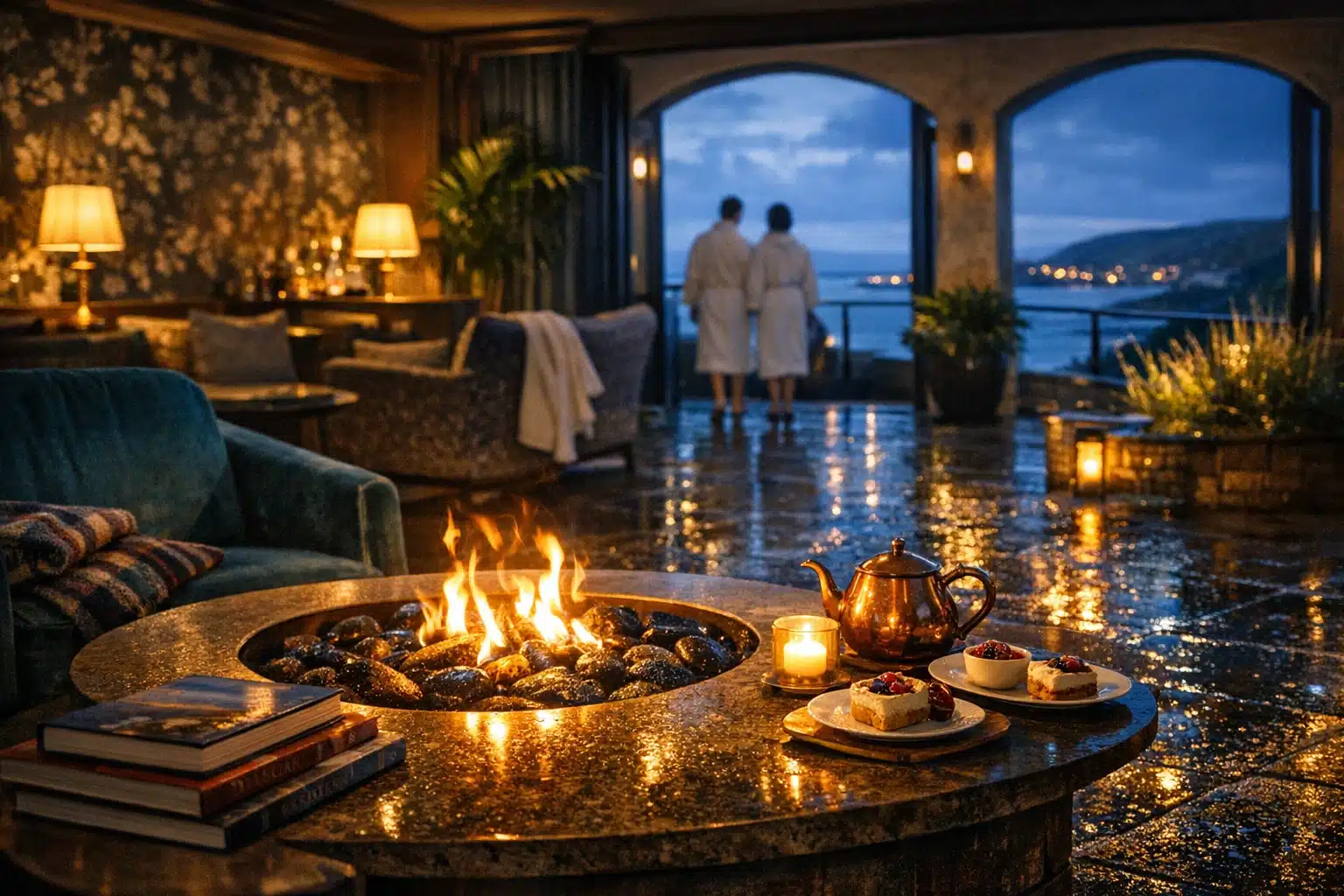
Ultimately, the best resort experience in Devon tends to be one where the facilities match the setting. A clifftop terrace, an indoor pool after a windy beach walk, a comfortable bed after an evening meal, and a lounge where the rain tapping the windows only improves the mood—these are the details that make short stays linger in memory.
Food, Drinks, and Whether the Package Delivers Real Value
For many travellers, the word “all-inclusive” immediately raises one practical question: what will the food actually be like? In Devon, this matters even more because the region has a strong culinary identity. Seafood, local dairy, farm produce, and bakery traditions give hotels and resorts a chance to offer something more distinctive than generic package dining. The reality varies, of course, but a well-run three-night stay should make meals feel like part of the holiday, not merely a logistical convenience.
Breakfast is usually the most reliable inclusion. Expect a mix of cooked items, cereals, pastries, toast, fruit, yoghurt, tea, and coffee. Better properties may include regional touches such as local sausages, quality eggs, fresh bakery items, or fish options. Dinner is often where packages diverge most. Some resorts provide buffet service with rotating themes, while others include a set allowance toward an à la carte menu. A few mix both approaches across the stay. Lunch may be fully included, offered as a lighter option, or replaced by room-credit systems depending on the property.
In Devon, the real advantage of included dining is not only the saved expense but the rhythm it creates. After a day walking the South West Coast Path or visiting a harbour town, it is genuinely pleasant to return knowing the evening meal is already arranged. That convenience can be especially valuable in rural areas where restaurant options may require driving or advance booking.
However, value should be judged honestly. If the package includes standard house drinks only during meals, that is very different from open-bar access throughout the day. Likewise, spa hotels may include elegant dinners but charge separately for afternoon snacks, cocktails, and premium coffees. Before booking, check:
- Which meals are included each day
- Whether drinks are unlimited, time-limited, or meal-linked
- If there are supplements for certain menu items
- Whether dietary requirements are handled well
- If children’s menus are covered in full
A useful comparison is to estimate what you would spend independently. In many Devon towns, a decent breakfast, lunch, dinner, and drinks for two over three nights can add up quickly, particularly in peak season or at waterfront venues. If the resort rate compares favourably once those costs are added, the package may offer solid financial sense. On the other hand, if you plan to spend one day in Dartmouth, another in Totnes, and a third on the beach with fish and chips from a local shack, you may pay for meals you never use.
The best all-inclusive dining in Devon usually balances familiarity with local flavour. Think of fresh fish pie, seasonal soups, roast meats, coastal-inspired starters, and desserts made with West Country cream rather than anonymous buffet filler. When done well, meals add texture to the trip. A rainy evening feels softer over a warm pudding and coffee; a sunny lunch on a terrace can become the point where a short break suddenly feels much longer than three nights.
Activities, Entertainment, and Exploring Beyond the Resort
A three-night stay succeeds when the pace feels full but not crowded, and Devon is unusually good at this balance. Resorts often provide enough on-site activity to fill quiet hours, yet the surrounding county is rich with places that can turn a simple break into a layered experience. The trick is deciding how much you want your holiday to happen within the resort gates and how much of it should unfold on the roads, footpaths, beaches, and harbour fronts beyond them.
On-site offerings commonly include swimming, spa treatments, fitness rooms, evening entertainment, family games, and seasonal activity schedules. Some properties organise craft sessions, guided walks, children’s clubs, or live music. These extras can be particularly useful when travelling with a mixed group. One person might book a massage, another heads to the pool, while the children disappear into an activity room with impressive speed. The package format can quietly reduce the negotiations that often shape group travel.
Still, Devon rewards time outdoors. Depending on your base, a short itinerary might include a cliff walk, a market town visit, and a coastal stop for views or beach time. Popular options vary by region:
- South Devon: Dartmouth, Salcombe, Brixham, Totnes, Blackpool Sands
- North Devon: Woolacombe, Croyde, Ilfracombe, Lynton and Lynmouth
- East Devon: Sidmouth, Exmouth, Budleigh Salterton, Jurassic Coast viewpoints
- Inland Devon: Dartmoor villages, river walks, heritage estates, gardens
For visitors arriving by train or hoping to limit driving, Exeter can also serve as a cultural anchor, with historic streets, shopping, and transport connections. Travel times across the county can be longer than the map suggests, so it is wise not to over-plan. On a three-night break, one focused excursion is usually more satisfying than a frantic checklist.
Entertainment at the resort deserves realistic expectations too. In Devon, evening programming may mean live acoustic sets, quizzes, small-scale shows, or lounge-bar music rather than Vegas-style production. For many guests, that is perfectly appropriate. After a long walk and a substantial dinner, understated entertainment often feels more inviting than high-volume spectacle.
Season has a strong influence on what activities make sense. Summer offers beach days, boat trips, paddleboarding, and outdoor dining. Autumn and winter shift the appeal toward spas, stormy-sea views, pub lunches, and dramatic coastal walks in crisp air. Spring often gives the best blend of calmer roads, fresh landscapes, and reasonable availability. This seasonal flexibility is one of Devon’s strengths. The county does not rely on one single holiday mood; it changes its character with the calendar.
The most memorable three-night stays usually mix both worlds: a resort comfortable enough to enjoy lingering in, and a location that invites at least one small adventure. That could be a harbour stroll at dusk, a moorland drive under a changing sky, or an hour on a windy beach that leaves everybody rosy-cheeked and hungry. Devon rarely needs grand drama to be effective. It works through texture, contrast, and a certain unforced charm.
Booking Tips, Budget Planning, and Choosing the Right Stay for You
Choosing the right three-night all-inclusive resort stay in Devon is less about finding one universally “best” option and more about matching the package to your priorities. The first question is simple: what kind of short break are you actually trying to have? A spa-focused couple’s retreat, a family holiday with built-in activities, a coastal base for walking, and a low-stress food-and-rest weekend may all fall under the same broad label, yet they call for very different properties.
Budget planning should begin with the total trip, not the headline room rate. A package that seems expensive may look more reasonable once meals, parking, spa access, and entertainment are factored in. By contrast, a cheaper rate can lose its appeal if every useful extra carries a supplement. Look beyond the headline and compare the real out-of-pocket cost over three nights.
Important booking checks include:
- Cancellation terms and payment schedules
- Meal plan details and drink limitations
- Spa access times and whether treatments are included
- Room category differences, especially sea view or family upgrades
- Parking charges, pet policies, and children’s activity availability
Timing also affects value. Midweek stays outside school holidays often offer the best rates and a calmer atmosphere. Weekend packages may include more entertainment but can come with higher prices. If flexibility is possible, travelling in late spring or early autumn often produces a sweet spot: better availability, pleasant weather, and fewer crowds than peak summer.
Transport is another hidden cost and convenience factor. Driving gives the most freedom, yet fuel, parking, and slower rural roads should be considered. Rail travel can work well for parts of Devon, especially if the resort is near Exeter, Torbay, or another well-connected area. In those cases, a short taxi journey may be less stressful than a long drive. For families, however, car access often remains the practical winner because it makes beach gear, prams, and spontaneous detours easier to manage.
If you are booking for a special occasion, contact the property directly after reserving. Some resorts can arrange room notes, dining preferences, or small extras, though it is wise to treat these as welcome touches rather than guarantees. For travellers with dietary needs, mobility considerations, or a preference for quieter rooms, asking in advance can materially improve the stay.
Above all, remember that a three-night break has a different logic from a full week away. There is less time to recover from poor planning. The ideal Devon package removes friction, gives you enough comfort to relax quickly, and leaves space for one or two meaningful experiences rather than endless options. When the booking matches the traveller, a short stay can feel remarkably complete.
Conclusion for Travellers Planning a Short Devon Escape
If you are considering a three-night all-inclusive resort stay in Devon, the best approach is to book with clear expectations and a sense of your own travel style. Devon can deliver a deeply satisfying short break, especially for couples, families, and busy travellers who want meals, facilities, and relaxation neatly bundled into one booking. The strongest packages usually combine comfortable accommodation, practical dining, weather-proof amenities, and easy access to the county’s beaches, towns, or walking routes. Choose carefully, read the inclusions closely, and a brief stay in Devon can feel far richer than its short calendar span suggests.