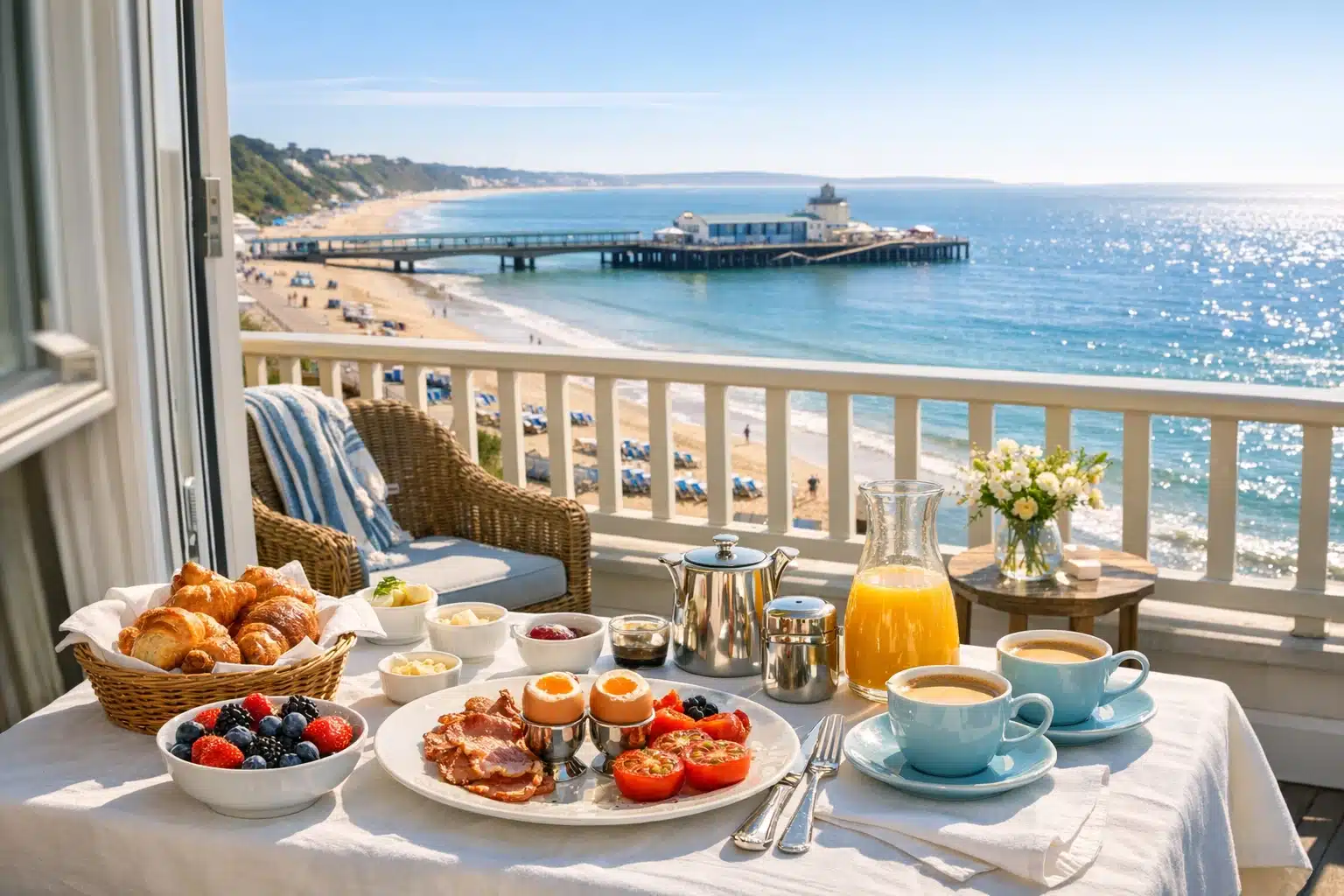
2-Night All-Inclusive Stay at a Bournemouth Beach Resort
A 2-night all-inclusive stay at a Bournemouth beach resort can turn a simple weekend into a neatly packaged coastal reset. For couples, friends, and busy families, the appeal is easy to understand: less time planning meals and extras, more time enjoying the sea, spa, and relaxed pace of the Dorset coast. Yet not every package offers the same value, comfort, or atmosphere. Knowing what is usually included, how Bournemouth compares with other UK seaside breaks, and which resort style matches your plans can make the difference between a hurried getaway and a genuinely refreshing short escape.
Because the stay is short, every hour matters. That is why this topic matters to travellers who want maximum ease from a minimum amount of leave, budgeting effort, or logistical stress. In the sections below, the article first outlines why Bournemouth works so well for a two-night resort break, then explains what all-inclusive usually means in a British seaside setting, followed by a practical itinerary, a value comparison, and a conclusion focused on who will benefit most from booking this kind of trip.
Outline
• Why Bournemouth is well suited to a short all-inclusive coastal break
• What a Bournemouth beach resort package typically includes, and what it may not
• How to structure two nights so the trip feels full without becoming tiring
• How all-inclusive compares with room-only, bed-and-breakfast, and self-catering options
• Which travellers are most likely to enjoy this format, plus a practical conclusion
Why Bournemouth Works So Well for a Two-Night Coastal Escape
Bournemouth has a particular advantage in the UK holiday market: it feels like a resort town rather than simply a town with a beach. That distinction matters on a short trip. When travellers only have two nights, they usually do not want to spend half the break in taxis, hunting for restaurants, or trying to stitch together separate activities. Bournemouth makes the logistics easier because many hotels, beaches, promenades, gardens, cafés, and entertainment spots sit within a relatively manageable area. The result is a place where a short stay can still feel complete.
The town is widely known for its long sandy coastline, and that coastline shapes the entire experience. A beach resort stay in Bournemouth is not only about the room itself; it is about stepping outside and immediately feeling the sea air alter the rhythm of the day. In the morning, the promenade invites a brisk walk with coffee in hand. By afternoon, the beach supports everything from simple sunbathing to paddleboarding, depending on the season. In the evening, the town can shift into a more social mood, with bars, casual dining, and seafront views giving the break a sense of occasion without requiring complex planning.
Compared with some other British seaside destinations, Bournemouth often strikes a useful balance. Brighton has strong cultural energy and nightlife, but it can feel busier, denser, and less traditionally resort-like for travellers who want a calmer coastal pause. Cornwall offers dramatic scenery and memorable beaches, yet for many domestic visitors it demands a longer journey, which can eat into a two-night stay. Smaller seaside towns may be charming, but they do not always have the same range of resort facilities, dining options, and weather-proof activities. Bournemouth sits comfortably in the middle: lively enough to avoid boredom, established enough to support resort packages, and relaxed enough to suit a restorative weekend.
Another advantage is flexibility. A Bournemouth beach resort can cater to several travel styles at once:
• Couples may want sea views, late breakfasts, and spa access.
• Families often look for convenient dining, indoor facilities, and easy beach access.
• Friends might care more about included drinks, social spaces, and nearby nightlife.
• Older travellers may value lifts, promenades, and a straightforward daily routine.
That versatility is a major reason the destination remains relevant. A two-night all-inclusive stay works best where the setting can do part of the work for you, and Bournemouth does exactly that. Even when the weather is not perfect, the town still offers enough indoor comfort, leisure amenities, and coastal atmosphere to keep the break from falling flat.
What “All-Inclusive” Usually Means at a Bournemouth Beach Resort
The phrase “all-inclusive” can create different expectations depending on what kind of traveller is booking. Someone used to large Mediterranean resorts may imagine unlimited cocktails, buffet spreads from dawn until late evening, poolside entertainment, and a broad roster of organised activities. In Bournemouth, the term can mean something slightly different. It is often more modest, more structured, and more focused on convenience than abundance. That does not make it worse, but it does mean the small print matters.
At a Bournemouth beach resort, an all-inclusive two-night package will commonly include accommodation plus a defined food offering. That may mean breakfast and dinner as standard, with lunch either included, discounted, or replaced by lighter options such as afternoon tea, café credit, or a casual dining menu. Drinks policies vary significantly. Some resorts include selected house beverages during certain hours, while others bundle only meals and leisure access. A few properties use the language of all-inclusive more loosely and are closer to a half-board package with extras. That is why comparison is essential.
Typical package elements may include:
• Two nights in a standard or upgraded room
• Daily breakfast, often buffet-style
• Evening meals, either fixed-menu, buffet, or an allowance in the hotel restaurant
• Use of leisure facilities such as a pool, sauna, steam room, or gym
• Access to entertainment spaces, lounges, or seasonal live music
• Family-friendly additions such as games rooms or children’s activities during peak periods
However, what is excluded can be just as important as what is included. Premium drinks, spa treatments, parking, sea-view upgrades, room service, and late checkout are frequently charged separately. Some resorts also restrict dining times, which matters if you prefer a very flexible schedule. A couple wanting a quiet romantic break may be disappointed if the included dining experience is designed mainly around family service slots. Likewise, parents expecting a true kids-club model should confirm whether supervised activities are actually available or whether the hotel simply offers child-friendly facilities.
The best way to think about a British all-inclusive resort is this: it is often a convenience package first and a luxury package second. The real benefit lies in reduced decision-making. You arrive, settle in, eat on site, use the facilities, and spend less time reaching for your wallet at every turn. For many travellers, especially on a short break, that predictability is worth more than endless choice. It creates a weekend that feels smoother and easier to enjoy.
Before booking, ask a few clear questions:
• Are all meals included, or only breakfast and dinner?
• Are drinks included, and if so, which ones?
• Is beach access immediate, walkable, or described more generously than reality?
• Are leisure facilities open for full use during your stay?
• Are there supplements for peak times, special menus, or entertainment?
Once those answers are clear, the package becomes much easier to judge on value rather than marketing language alone.
How to Make the Most of a Two-Night Stay Without Rushing It
A two-night escape can feel wonderfully full or strangely brief, and the difference usually comes down to pacing. The smartest Bournemouth resort breaks are not packed to the minute. Instead, they combine a few well-chosen experiences with enough open time to actually absorb the setting. That is the hidden art of the short coastal stay: leaving room for spontaneity while still making the trip feel worthwhile.
On arrival day, timing matters. An early afternoon check-in, or at least early arrival with luggage storage, gives the stay a proper opening chapter rather than making the first day feel like a transit day. Once bags are out of your hands, Bournemouth immediately offers an easy first outing: a seafront walk. There is something quietly effective about stepping onto the promenade after a week of screens, schedules, and indoor air. Even before dinner, the weekend starts to separate itself from ordinary life. This is the perfect point for a gentle plan:
• Stroll the beach or pier
• Stop for coffee or a light drink
• Use the resort spa, pool, or sauna before dinner
• Keep the first evening simple rather than overbooked
The second day is where the break earns its value. This is the day to combine the included resort features with the best of Bournemouth itself. Active travellers might start with a beach walk or waterside activity, then head inland toward the Lower Gardens, cafés, or shops. Those looking for a slower pace may prefer a long breakfast, spa treatment, and unhurried afternoon by the sea. Families often do best with a split rhythm: beach time in the morning, indoor resort time later, and an early dinner that avoids fraying everyone’s patience. Friends might lean more heavily into the social side, using the resort as a comfortable base before enjoying nearby nightlife.
There is also value in keeping expectations realistic. Two nights are not enough to “do everything,” and trying to force that can flatten the pleasure of the trip. A better approach is to build around two or three anchor moments, such as:
• One memorable meal
• One stretch of uninterrupted beach time
• One leisure experience like a pool session or spa visit
• One scenic walk at sunset or early morning
Departure day should not be treated as an afterthought. If the package includes breakfast, use it fully rather than rushing out. A final walk along the coast or a coffee stop before heading home can make the trip feel complete. In many ways, this is where Bournemouth shines. It lets the last morning still feel like part of the holiday. The sea remains in sight, the pace stays easy, and even a short break can leave with that rare sensation of having genuinely gone somewhere rather than merely spent a night away.
Value for Money: Comparing All-Inclusive with Other Short-Break Options
The strongest argument for a two-night all-inclusive stay is not always that it is the cheapest option. Often, it is not. Its real strength is that it can offer the clearest value once the full cost of a short break is considered. Travellers comparing prices too quickly may look at a room-only deal, see a lower headline rate, and assume the resort package is overpriced. Yet short stays have a way of collecting extra costs quietly: breakfast here, dinner there, drinks, taxis, snacks, entertainment, parking, and small convenience purchases that barely register one by one but add up by checkout.
That is why all-inclusive works particularly well on a two-night stay. The shorter the trip, the more valuable convenience becomes. When there are only two evenings and one full day, spending time researching restaurants or budgeting meal by meal may not feel efficient. The resort package turns uncertain spend into planned spend. For many people, that predictability is part of the holiday benefit, especially if they are travelling with children or coordinating with friends.
Here is how the common options usually compare:
• Room-only: best for travellers who want maximum freedom and plan to eat out most of the time.
• Bed-and-breakfast: useful if you like having mornings covered but want to explore the local dining scene at night.
• Half-board: often a strong middle ground for guests who will spend the day outside but want a reliable evening meal.
• All-inclusive: most attractive for travellers who expect to use on-site facilities heavily and prefer a controlled budget.
The trade-off is obvious. Greater inclusion can mean less spontaneity. If you are the kind of visitor who wants to sample independent seafood restaurants, roam across town, and treat the hotel purely as a sleeping base, a resort package may not play to your habits. On the other hand, if you want the beach, a comfortable room, on-site dining, and an easy indoor backup when the weather turns, the bundled model can make excellent sense.
Seasonality also changes the value equation. In peak summer, resort prices rise because demand rises, and the coastal location commands a premium. In shoulder seasons such as spring and early autumn, the same style of package may feel far more competitive, especially if it includes leisure access that helps offset cooler weather. Winter can be surprisingly attractive for spa-focused guests who care less about swimming in the sea and more about sea views, warm interiors, and a quiet change of scene.
To judge value properly, check these cost drivers before booking:
• Parking fees
• Premium dining supplements
• Spa treatment charges
• Upgrade costs for sea-view or balcony rooms
• Weekend surcharges and school-holiday pricing
• Cancellation terms
When all of those are considered, an all-inclusive Bournemouth stay often makes most sense for travellers who want a smooth, self-contained mini-break rather than a heavily customised food-and-nightlife trip. It buys simplicity, and on a short holiday, simplicity can be worth quite a lot.
Who Will Enjoy This Kind of Break Most? A Practical Conclusion for Travellers
A 2-night all-inclusive stay at a Bournemouth beach resort is not a universal answer to every travel wish, but it is a very strong fit for certain kinds of guests. The ideal traveller is not necessarily someone seeking high drama, extreme adventure, or a long list of landmarks. It suits people who want a compact reset: enough movement to feel away, enough comfort to feel cared for, and enough structure to avoid spending the whole trip organising the next meal or activity.
Couples often get the most obvious benefit. A short all-inclusive break removes friction from a romantic weekend by simplifying decisions. There is less debate about where to eat, less pressure to plan every hour, and more room for the small rituals that make a seaside trip memorable: a late breakfast, a windy walk along the promenade, a glass of something chilled before dinner, or a quiet view of the water when the town begins to settle for the evening. For busy households, that ease has real value.
Families also stand to gain, especially when the resort has indoor leisure facilities and straightforward dining. Children tend to respond well to predictable routines, and parents usually appreciate not having to search for family-friendly meals after a long beach session. The all-inclusive format can reduce both cost surprises and decision fatigue. The same is true for multigenerational groups, where different ages need different levels of activity and comfort in the same shared trip.
Friends travelling together may enjoy the social convenience, though they should pay attention to atmosphere. Some resorts lean heavily toward a quiet spa mood, while others are more casual and suited to groups. Solo travellers can enjoy this style of stay too, particularly if the goal is rest rather than exploration. A safe, self-contained environment close to the beach can be ideal for reading, walking, and switching off without feeling isolated.
Before booking, the most useful final checklist is simple:
• Decide whether you want the resort to be the main destination or just a base.
• Check exactly which meals, drinks, and facilities are included.
• Think about season, because the same resort can feel very different in July and November.
• Match the property’s atmosphere to your group, whether that means family-friendly, wellness-focused, or social.
• Be honest about your travel style; if you love freedom, a lighter package may suit you better.
For travellers who want a manageable, enjoyable coastal break with fewer moving parts, Bournemouth is a sensible and appealing choice. The sea gives the trip its breathing room, the resort format adds comfort, and the two-night length keeps the commitment realistic. If that combination sounds like exactly the kind of escape you need, then this type of stay is not just convenient. It is often the difference between merely getting away and returning home properly restored.