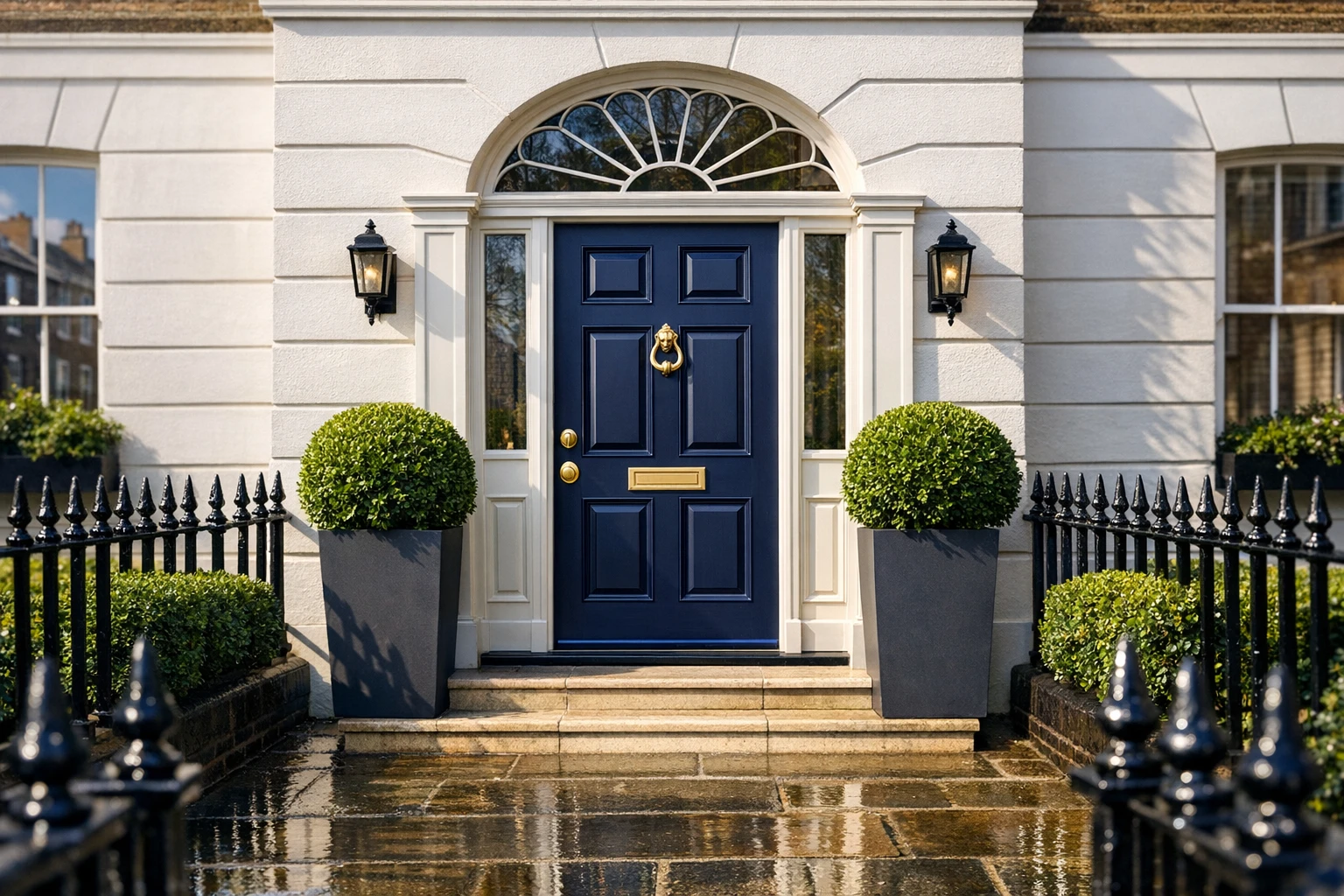
Doors on Monthly Payments in the UK
Buying new doors can improve security, reduce draughts, soften outside noise, and lift the look of a home, but the upfront cost can still stop a project in its tracks. Monthly payment options have made internal, front, patio, and bifold doors more accessible across the UK, especially when supply and fitting are bundled together. The key is knowing how finance changes the real price, what checks apply, and which quotes are genuinely competitive. This guide explains the essentials in plain English so you can compare offers calmly and choose with confidence.
Outline
- What doors on monthly payments actually mean and why they appeal to many UK households.
- The main door types available, along with the factors that influence pricing and installation costs.
- How UK finance options work, including deposits, APR, loan terms, credit checks, and total repayable cost.
- How to compare suppliers, read quotations properly, and avoid hidden charges or weak guarantees.
- A practical conclusion aimed at buyers who want a better door without putting strain on their budget.
Understanding Doors on Monthly Payments and Why They Matter
When people hear the phrase doors on monthly payments, they usually mean a supplier or installer is offering finance so the full cost does not have to be paid on day one. Instead of finding a large lump sum, the buyer pays a deposit in some cases and then spreads the remaining balance over an agreed term. In the UK, this model has become common across home improvement projects because doors are rarely just decorative purchases. A front door can improve security, insulation, and first impressions all at once. An internal fire-rated door can support safety. A patio or bifold door can change how a room feels, almost like cutting a fresh window into everyday life.
The practical appeal is easy to understand. Many households would rather keep savings available for emergencies than spend £1,500 or £3,000 in one go on a single home upgrade. Monthly payments can make a larger project manageable, especially when the old door is damaged, draughty, or no longer locking properly. This is particularly relevant in the UK housing market, where older properties often need gradual improvements instead of one big renovation budget. For some buyers, staged payments are the difference between delaying for another winter and getting the work done before energy bills bite again.
That said, affordability and value are not the same thing. A lower monthly figure can look inviting while hiding a higher total cost. This is why the topic matters. Buyers need to look beyond the headline offer and ask a few grounded questions:
- Is the finance interest-free, or does it carry an APR?
- Does the quoted price include fitting, disposal of the old door, and VAT?
- Is the agreement linked to a regulated lender?
- How long is the repayment term, and what is the final amount payable?
Doors bought this way can be a sensible decision, but they should still be treated like any other financial commitment. Think of it as choosing both a product and a payment structure. The door is what you see every day; the finance is what follows you every month. Good decisions respect both. Buyers who understand this early are far more likely to end up with a home improvement that feels satisfying rather than stressful.
Door Types, Typical UK Costs, and What Really Changes the Price
Before comparing finance plans, it helps to understand what you are actually buying. The phrase door covers a surprisingly wide spectrum, and the difference between a basic internal door and a premium composite entrance door can be dramatic in both price and purpose. In simple terms, internal doors are usually chosen for privacy, style, and sound reduction, while external doors are more heavily judged on weather resistance, locking performance, and thermal efficiency. Patio, sliding, French, and bifold doors add another layer because they often involve larger glazed areas, more hardware, and more complex fitting.
Approximate UK price ranges can help frame expectations, although local labour rates, property condition, and product specification can move the figures up or down. As a broad guide, buyers often see ranges like these:
- Basic internal doors: around £50 to £150 for the door leaf, with extra cost for handles, hinges, and fitting.
- Solid core internal doors: often £120 to £350 or more depending on finish and design.
- uPVC external doors: commonly around £700 to £1,500 installed.
- Composite front doors: often £900 to £2,500 installed, sometimes higher for premium hardware or side panels.
- Aluminium entrance doors: often £1,500 to £4,000 or more.
- French or patio doors: roughly £1,200 to £3,500 and upward.
- Sliding and bifold systems: often £1,500 to £6,000 or more depending on size, glazing, and frame material.
Those figures are useful, but the final quote is shaped by details that buyers sometimes miss on first glance. Material is a major factor. Composite and aluminium doors usually cost more than basic uPVC or hollow-core options, but they may offer better durability, stability, and appearance. Size matters too, especially in older UK homes where openings are not always standard. Custom colours, decorative glass, side panels, smart locking systems, upgraded security cylinders, trickle vents, and premium handles all add to the bill.
Installation itself can also change the total more than expected. If the existing frame is damaged, the threshold needs adjustment, brickwork requires repair, or plastering and finishing are needed after fitting, the price can rise quickly. A cheap product can become a costly job once the hidden complications appear. That is why a proper survey matters. A good supplier should explain not just the cost of the door, but the cost of making the door work well in your specific opening. In home improvement, the invisible details are often the ones that decide whether the result feels solid and long-lasting or flimsy and disappointing.
How Monthly Payment Plans Work in the UK
Once you know which type of door you need, the next step is understanding the finance itself. In the UK, door suppliers may offer several payment structures. Some use interest-free promotional credit for a short period, often on selected order values. Others offer interest-bearing finance over longer terms, which can reduce the monthly amount but raise the overall cost. In many cases, the company selling the door is acting as a credit broker rather than the lender. That distinction matters because the finance agreement may be arranged through a separate regulated provider, and the approval process will usually involve identity checks, affordability checks, and a credit assessment.
The main pieces of any offer are straightforward once you know where to look:
- Deposit: some plans require none, while others ask for 10% to 50% upfront.
- Term length: shorter agreements mean higher monthly payments but usually a lower total cost.
- APR: this shows the annual cost of borrowing and helps buyers compare offers more fairly.
- Total amount payable: this is the number that reveals what the purchase really costs over time.
- Fees or late charges: important if there is any risk of missed payments.
An example shows why these details matter. Imagine a door project priced at £2,400. On a 0% finance plan over 24 months with a £400 deposit, the remaining £2,000 would be spread into fixed monthly instalments, making the maths relatively clean. On a longer interest-bearing plan, the monthly figure may look gentler, but the final amount repaid can be several hundred pounds more. That does not automatically make it a bad choice. A manageable payment can be better than stretching cash flow too far. The point is that affordability should be judged in two directions: what you can handle each month and what you are willing to pay in total.
Buyers should also ask whether the quote is subject to status, whether the lender uses a soft or hard credit search at the application stage, and whether early settlement is allowed. If you think you may repay the finance sooner, this can matter. Some plans are very flexible; others are not. It is also worth checking cancellation rights, especially if the sale was agreed in your home or at a distance, and whether the repayment starts immediately or after installation.
Good finance is not magic. It is simply a tool. Used carefully, it can spread the cost of a necessary improvement without draining savings. Used carelessly, it can turn a sensible purchase into a sluggish, expensive commitment. The trick is to read the numbers like a homeowner and a bookkeeper at the same time. One eye on comfort, one eye on cost.
Comparing Suppliers, Quotes, and Installation Standards Without Missing the Fine Print
Not all door finance offers are created equal because not all door companies package their quotations in the same way. Two suppliers can both advertise monthly payments, yet one may include surveying, fitting, disposal of the old door, finishing trims, and a meaningful warranty, while the other is quietly charging extra for half of those items. This is where many buyers get caught. The sales conversation often starts with style and monthly cost, but the smarter conversation is about what the contract actually includes.
A useful comparison begins with a written quotation broken down into clear parts. For external doors especially, ask whether the frame is included, whether the lock specification is listed, what glazing is being used, and how any building regulation requirements or compliance certification will be handled where applicable. If the property is older, uneven, or previously altered, ask what happens if the opening needs remedial work. A vague promise can become an expensive variation once the fitter arrives.
Here are a few checkpoints that can quickly improve a buyer’s shortlist:
- Is the company transparent about the lender, APR, and total amount payable?
- Does the quote show exactly what is included in supply and installation?
- What warranty applies to the door, hardware, glass, and workmanship?
- How long is the lead time, and what happens if there is a delay?
- Are online reviews detailed and consistent rather than suspiciously generic?
- Is there a survey before final manufacture, especially for made-to-measure doors?
It also helps to compare local specialists with national firms. Larger companies may offer more polished finance systems and broader aftercare teams, but local installers sometimes provide better pricing and more flexible service. Neither option is automatically superior. What matters is evidence. Ask for product details, payment examples, warranty wording, and installation timelines in writing.
A simple side-by-side comparison can reveal a lot. One quote might show a slightly higher monthly payment yet include a stronger lockset, better thermal specification, old-door removal, and a longer workmanship guarantee. Another may look cheaper until extras are added. In other words, value often hides behind the details rather than the headline. A house rarely complains when you choose the better fitter. It complains later, through draughts, sticking hinges, water ingress, or a lock that never quite feels right.
If a salesperson pushes for a quick signature without giving time to review terms, treat that as a warning sign. Good home improvement firms expect sensible questions. In fact, the best ones usually welcome them, because a well-informed customer is more likely to be satisfied after installation.
A Practical Conclusion for UK Buyers Choosing Doors on Monthly Payments
For UK buyers, doors on monthly payments can be a practical route to a better home when the timing is right but the lump sum is awkward. The key audience here is broad: homeowners replacing a tired front entrance, families upgrading patio access, landlords improving worn interiors, and renovators trying to stage costs sensibly. What all of them share is the need to balance three things at once: product quality, installation quality, and financial clarity. Ignore any one of those, and the whole purchase becomes weaker.
The most useful mindset is simple. Start with the problem you are trying to solve, not the finance advert. If security is the issue, focus on door construction, locking hardware, and fitting standards before you get excited about a low monthly figure. If warmth and draught reduction matter most, look closely at seals, frame quality, and the installer’s reputation. If appearance is the priority, make sure style upgrades are not quietly inflating the total beyond what the home really needs. Finance should support the decision, not steer it blindly.
Before agreeing to anything, run through a final checklist:
- Do you know the exact product specification?
- Does the quote include installation, VAT, and removal of the old door if needed?
- Have you compared the cash price with the total amount payable on finance?
- Is the monthly amount comfortable even if another household bill rises?
- Have you checked the warranty, lead time, and complaint process?
- Do you feel pressured, or do you feel informed?
If the answers are clear and the repayment plan fits your budget without strain, monthly payments can be a smart way to move forward. They can help you secure the house, modernise a room, or improve comfort without waiting years for the perfect moment. And that is often the real advantage: progress made responsibly. A well-chosen door should open smoothly, seal properly, and feel reassuring every time you use it. A well-chosen payment plan should do the same for your finances, quietly, predictably, and without drama. When both parts work together, the purchase feels less like a compromise and more like a measured upgrade that suits real life.